
How to Start a Lemonade Stand and Become a Kid CEO
It's a hot June afternoon, and your kid just made their first sale. A neighbor hands over a dollar, takes a cold cup, and says, "This is delicious!" Your child beams. That moment? Pure magic. And it all started with a simple idea and a pitcher of lemonade. Most people have heard about lemonade stands as a classic summer activity, a rite of passage for young entrepreneurs.
This guide will walk you and your kids from idea to first sale—whether you've got one day or one weekend to pull it together.
Key Takeaways
- A lemonade stand is more than a cute summer activity—it's a hands-on way for kids (ages 6-14) to learn goal setting, budgeting, customer service, and giving back.
- Starting a lemonade stand costs as little as $25-40 and can happen right in your front yard this summer.
- Lemonade Day is a free national non-profit program that provides step-by-step lessons, a mobile app, and community events to support your family's stand.
- This article gives parents practical how-to steps while talking directly to kids about creativity, confidence, and trying new ideas.
- Your next move: pick a date, choose a goal, and sketch a stand idea together tonight.
Why a Lemonade Stand Is the Perfect First Business for Kids
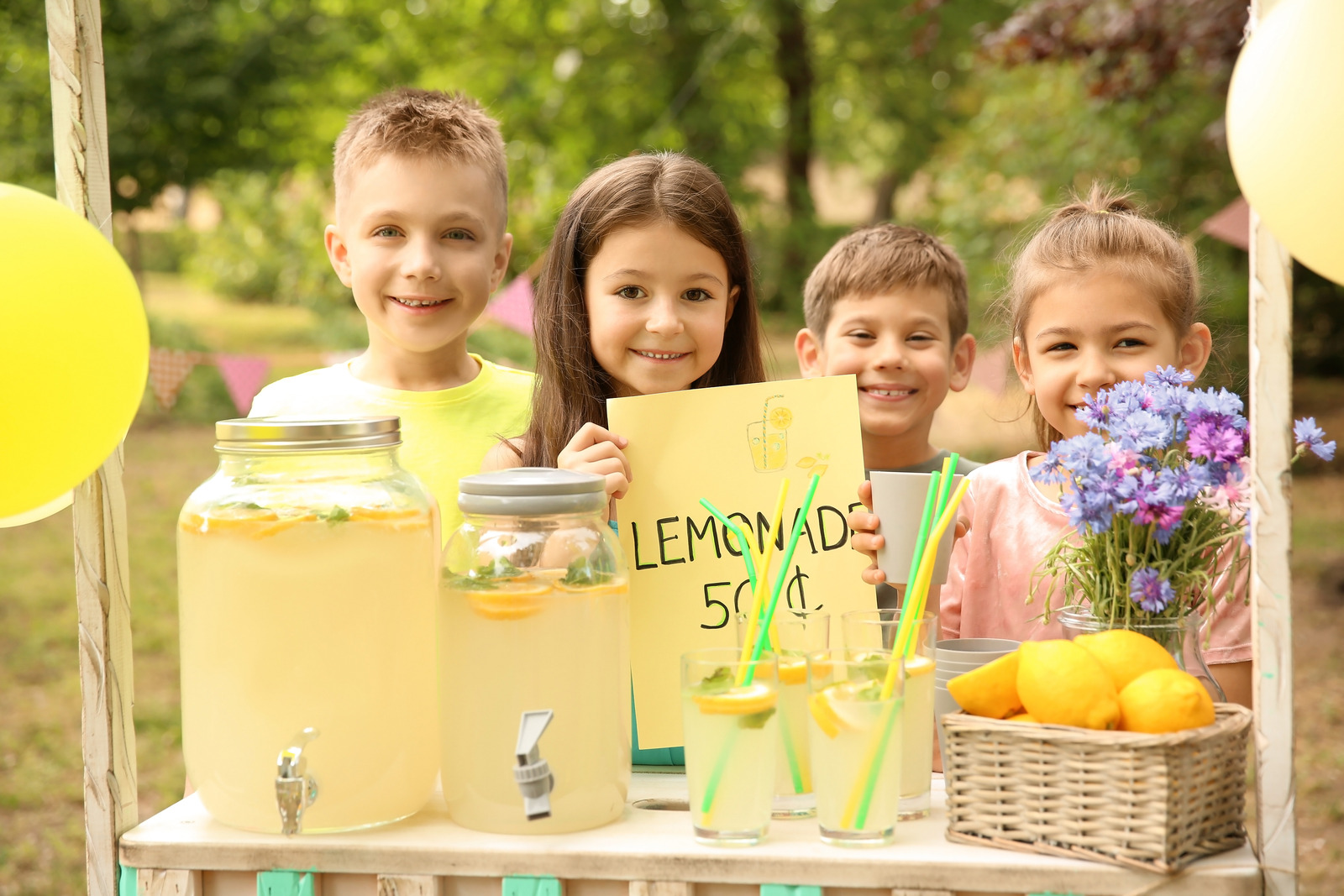
Here's a great idea that's lasted for over a century: the lemonade stand. Why? Simple setup, low cost, and tons of learning packed into a few hours.
Parents, think about what your kids will practice: basic math, handling money, talking to adults, problem-solving when stuff goes wrong, and sticking with a commitment. That's a lot of life skills for one Saturday afternoon. Kids also learn teamwork by working together to run their stand, and they get hands-on experience with marketing and advertising as they promote their lemonade stand to attract customers—early lessons in entrepreneurship for kids.
Kids—you're the boss for a day! You decide the stand name, the colors, the recipe, and what to do with your profit. Want to save for a video game? Donate to an animal shelter? Your call. Setting and achieving goals for your lemonade stand gives you a real sense of pride and accomplishment.
Lemonade Day turns this into a full learning journey with curriculum, mentors, and an app that walks you through planning, budgeting, and setting "spend, save, share" goals. Some families use a course or structured program to guide them step-by-step through how to start a lemonade stand, offering tips and strategies for success. But you can absolutely start small—one table in your front yard this July—and treat it like a real lemonade business with real customers.
Step 1: Set a Goal and Pick a Date
First things first: sit down as a family (maybe after dinner tonight) and choose a specific goal. Not just "make money"—something real. Setting a financial goal can motivate kids and provide a sense of accomplishment when they reach their targets.
Examples kids love
- $40 for a new soccer ball
- $25 toward a graphic novel series
- $50 to donate to a local animal shelter
Now turn it into a quick math lesson. If you sell lemonade for $1 per cup and hope to sell 50 cups, that's $50 in revenue. Subtract about $15 in supplies, and you've got $35 in profit. Can you hit your goal? Understanding demand—how many people want lemonade—can help you set the right price and estimate how many cups to prepare, using simple lemonade stand pricing strategies.
When picking a price, remember that setting a clear price for your lemonade helps customers know what to expect and can influence their decision to buy, just like a simple lemonade stand business plan for kids would outline.
Pick a date—a Saturday or Sunday weekend afternoon works awesome. Write it on the family calendar. Check if there's a neighborhood garage sale day, a sports event, or a July 4th parade happening. More people walking by means more customers waiting to buy a cold drink.
Step 2: Choose a Location and Design Your Stand
Think like an entrepreneur: Where will the most thirsty folks walk by on a hot day?
Location ideas
- A corner lot in your front yard
- Near a neighborhood park (get permission first!)
- Outside a community pool entrance
- At farmers markets or local events that welcome kid vendors
Before you set up, talk to the property owner or event organizer. Some HOAs have rules, so double-check, and look into whether you need a permit to sell lemonade in your area.
When setting up your stand, make sure you have a setup that allows you to serve lemonade to customers efficiently—use a sturdy table and a beverage dispenser for easy pouring, along with other must-have lemonade stand equipment.
Stand design tips
Check out easy DIY lemonade stand instructions if your kids want to build something more than a simple table.
- Folding table with a bright tablecloth
- Pop-up canopy or beach umbrella for shade
- Large clear beverage dispenser (people love seeing that colorful lemonade)
- Eye catching signage made from cardboard with big, bold letters
- Use big, colorful, hand-drawn signs to advertise your lemonade stand
- A small tip jar and a mason jar filled with flowers
- A trash bag for cups
- Create a pleasant atmosphere with decorations like balloons, streamers, or themed tableware to attract more customers
Let kids create and decorate—hand-painted signs stick in people's memories and make your stand fun to visit.
Step 3: Check the Rules and Keep It Safe
Parents, this one's for you: safety and local rules come first.
Quickly search your city website for "youth lemonade stand" or "minor business exemptions." Many states have passed lemonade stand laws making it easier for kids to sell without permits, but rules vary. Don't miss this step.
Basic safety practices
- Clean hands and hand sanitizer at the table
- Ice cooler to keep lemons and juice cold (below 41°F)
- Use a scoop—not hands—for ice
- Small cash box with starter change (ten $1 bills, a few $5s)
- Stay within sight of a parent at all times
Set ground rules: stay behind the table, use crosswalks, and close shop if weather turns severe. Fine to be cautious—this is about learning, not taking risks.
Step 4: Plan Your Menu, Recipe, and Supplies

Kids, you're the head chef and inventory manager now!
Menu structure
- Classic lemonade (your core drink)
- One fun flavor like strawberry or raspberry lemonade (add mashed strawberries to the mix)
- Optional: pre-packaged cookies as an add-on
Basic recipe for a homemade lemonade stand
As you plan ingredients and tools, a checklist of essential lemonade stand supplies for kids can keep everyone organized.
- Juice from 12 fresh lemons (about 48 oz of lemon juice)
- 1.5 cups sugar
- 64 oz water
- Mix in a pitcher, taste test, adjust
This yields about 16 cups. At $1 each, that's $16 in sales from one batch.
Supplies list
- Lemons (or quality mix if you're short on time)
- Sugar and water
- Clear dispenser
- 12 oz cups (biodegradable ones run about $6 for 50)
- Ice (one 20-lb bag is around $3)
- Pitcher for backup batches
- Napkins and a trash bag
Make a written shopping list together. Estimate costs before you shop—that's budgeting in action and a great way to practice budgeting for kids at a lemonade stand.
Step 5: Budget, Pricing, and Simple Money Lessons
Here's where kids learn what profit really means—no spreadsheets needed, just pencil and paper (or the Lemonade Day app) and other fun financial literacy activities for kids.
Simple process
- Add up expected costs (ingredients, cups, signs): usually $25-40 for 100 cups
- Decide on a price per cup ($1 or $1.50 is easy to make change)
- Estimate how many you need to sell to cover costs and reach your goal
Keep pricing simple. Whole dollar amounts mean less fumbling with quarters.
Now here's the power move: teach "spend, save, share." Let kids decide what percentage goes to something fun, what gets saved for the future, and what gets donated to a cause they care about. This framework—used by Lemonade Day—helps kids see money as a tool, not just something to spend.
After the stand, talk about what "profit" means: money left after paying back expenses. Celebrate that understanding as much as the dollar total.
Step 6: Signs, Marketing, and Customer Service
Even amazing lemonade needs a way for people to know it exists. Think of marketing as inviting people to your stand.
Sign ideas
- Big, bold "LEMONADE $1" letters visible from 50 feet
- Arrows pointing toward your stand
- A smaller sign sharing your goal: "Raising money for summer camp!"
Day-before marketing
- Text neighbors
- Post on a private neighborhood group (with parents' help)
- Put a flyer on the community bulletin board
Customer service scripts
- "Hi! Cold lemonade, one dollar—help us support [your goal]!"
- "Thank you so much! Have a great day!"
If you've got siblings or friends helping, rotate roles: greeter, server, money manager. Everyone practices different skills, and it keeps things fun for an hour or more.
Step 7: Stand Day – Run the Business and Learn as You Go

The big day! Here's a timeline to spread the joy and reduce stress.
30-45 minutes before opening
- Set up table and dispenser
- Test the spigot
- Fill the ice cooler
- Organize your cash box
- Do a taste test!
During peak hours (usually 1-4 PM)
- Notice what's working. Which flavor sells faster? Do people respond to your charity sign?
- Make quick decisions. Slow moment? Try "2 cups for $1.75!"
- Serve customers with a smile
Closing and cleanup
- Count money together
- Put away leftover goodies safely
- Leave the area cleaner than you found it
- Thank any neighbors who helped
A successful lemonade stand isn't just about sales—it's about running the whole operation start to finish, giving kids a taste of how to start a lemonade business in a simple, kid-friendly way.
Step 8: Reflect, Celebrate, and Plan What's Next
This is the debrief—what real entrepreneurs do after every project.
Reflection questions
- What were you most proud of today?
- What was harder than you expected?
- What would you change next time?
Walk through the numbers together: total sales, total expenses, final profit. Then decide how to split it between spending, saving, and sharing.
Celebrate the effort! A family movie night, a photo on the fridge, or a note recognizing your son or daughter's leadership goes a long way and can spark even more creative lemonade stand ideas for kids next time.
If your kids loved the experience, they can join a local Lemonade Day program next season or explore online resources to design an even better stand a few years from now.
How Lemonade Day Helps Families Do All of This
Lemonade Day is a free national non-profit that guides kids step-by-step through everything in this article.
What families get
- Kid-friendly curriculum (modules covering goals, business plans, marketing, and operations)
- A mobile app with checklists and budgeting tools
- Local events where many kids run stands on the same day
- Mentors in partner communities
The program focuses on character and life skills as much as profit—resilience when it rains, teamwork with siblings, confidence from talking to strangers politely. Since 2007, over 1.5 million kids have participated, generating more than $350 million in total sales and donating $142 million to causes they care about.
Visit lemonadeday.org to see if your city participates, register your child, or learn how to bring the program to your community as a school, sponsor, or volunteer.
Frequently Asked Questions
How old should my child be to start a lemonade stand?
Many kids can help with simple tasks around ages 5-6, but handling money and talking with customers usually works better starting around ages 7-8. Younger kids can pair up with an older sibling while moms or dads stay close by. Focus less on exact age and more on readiness: Can they follow directions? Stay at the stand for an hour? Speak politely to neighbors?
What if my child is shy or nervous about talking to customers?
Start with practice at home—role-play as a customer and let them rehearse. Give shy kids behind-the-scenes jobs first: mixing lemonade, decorating cups, or counting change. Ease them into customer interactions when they feel ready. Programs like Lemonade Day build confidence slowly with small wins each year.
Can we run a lemonade stand if we live in an apartment or don't have a yard?
Absolutely. Partner with a friend who has a yard, ask a local shop if you can set up nearby, or join a community event that welcomes lemonade vendors. Check with your apartment management about shared courtyards. The core lessons work anywhere—even at a family gathering or indoor market.
What if we don't sell very much lemonade?
Slow days happen to every business owner. Use it as a learning moment: Was the location too quiet? Was the weather cooler than expected? Did people know about the stand ahead of time? Treat it like an experiment—adjust one thing and try again. That growth mindset matters more than any single day's sales.
How far in advance should we start planning?
One to two weeks is plenty for most families—enough time to choose a date, set a goal, and check local rules without feeling overwhelming. Shopping and sign-making can happen just a few days before. If you're joining an official Lemonade Day event, check the calendar on lemonadeday.org and register early to use the learning materials beforehand.

back to blog
It's a hot June afternoon, and your kid just made their first sale. A neighbor hands over a dollar, takes a cold cup, and says, "This is delicious!" Your child beams. That moment? Pure magic. And it all started with a simple idea and a pitcher of lemonade. Most people have heard about lemonade stands as a classic summer activity, a rite of passage for young entrepreneurs.
This guide will walk you and your kids from idea to first sale—whether you've got one day or one weekend to pull it together.
Key Takeaways
- A lemonade stand is more than a cute summer activity—it's a hands-on way for kids (ages 6-14) to learn goal setting, budgeting, customer service, and giving back.
- Starting a lemonade stand costs as little as $25-40 and can happen right in your front yard this summer.
- Lemonade Day is a free national non-profit program that provides step-by-step lessons, a mobile app, and community events to support your family's stand.
- This article gives parents practical how-to steps while talking directly to kids about creativity, confidence, and trying new ideas.
- Your next move: pick a date, choose a goal, and sketch a stand idea together tonight.
Why a Lemonade Stand Is the Perfect First Business for Kids
Here's a great idea that's lasted for over a century: the lemonade stand. Why? Simple setup, low cost, and tons of learning packed into a few hours.
Parents, think about what your kids will practice: basic math, handling money, talking to adults, problem-solving when stuff goes wrong, and sticking with a commitment. That's a lot of life skills for one Saturday afternoon. Kids also learn teamwork by working together to run their stand, and they get hands-on experience with marketing and advertising as they promote their lemonade stand to attract customers—early lessons in entrepreneurship for kids.
Kids—you're the boss for a day! You decide the stand name, the colors, the recipe, and what to do with your profit. Want to save for a video game? Donate to an animal shelter? Your call. Setting and achieving goals for your lemonade stand gives you a real sense of pride and accomplishment.
Lemonade Day turns this into a full learning journey with curriculum, mentors, and an app that walks you through planning, budgeting, and setting "spend, save, share" goals. Some families use a course or structured program to guide them step-by-step through how to start a lemonade stand, offering tips and strategies for success. But you can absolutely start small—one table in your front yard this July—and treat it like a real lemonade business with real customers.
Step 1: Set a Goal and Pick a Date
First things first: sit down as a family (maybe after dinner tonight) and choose a specific goal. Not just "make money"—something real. Setting a financial goal can motivate kids and provide a sense of accomplishment when they reach their targets.
Examples kids love
- $40 for a new soccer ball
- $25 toward a graphic novel series
- $50 to donate to a local animal shelter
Now turn it into a quick math lesson. If you sell lemonade for $1 per cup and hope to sell 50 cups, that's $50 in revenue. Subtract about $15 in supplies, and you've got $35 in profit. Can you hit your goal? Understanding demand—how many people want lemonade—can help you set the right price and estimate how many cups to prepare, using simple lemonade stand pricing strategies.
When picking a price, remember that setting a clear price for your lemonade helps customers know what to expect and can influence their decision to buy, just like a simple lemonade stand business plan for kids would outline.
Pick a date—a Saturday or Sunday weekend afternoon works awesome. Write it on the family calendar. Check if there's a neighborhood garage sale day, a sports event, or a July 4th parade happening. More people walking by means more customers waiting to buy a cold drink.
Step 2: Choose a Location and Design Your Stand
Think like an entrepreneur: Where will the most thirsty folks walk by on a hot day?
Location ideas
- A corner lot in your front yard
- Near a neighborhood park (get permission first!)
- Outside a community pool entrance
- At farmers markets or local events that welcome kid vendors
Before you set up, talk to the property owner or event organizer. Some HOAs have rules, so double-check, and look into whether you need a permit to sell lemonade in your area.
When setting up your stand, make sure you have a setup that allows you to serve lemonade to customers efficiently—use a sturdy table and a beverage dispenser for easy pouring, along with other must-have lemonade stand equipment.
Stand design tips
Check out easy DIY lemonade stand instructions if your kids want to build something more than a simple table.
- Folding table with a bright tablecloth
- Pop-up canopy or beach umbrella for shade
- Large clear beverage dispenser (people love seeing that colorful lemonade)
- Eye catching signage made from cardboard with big, bold letters
- Use big, colorful, hand-drawn signs to advertise your lemonade stand
- A small tip jar and a mason jar filled with flowers
- A trash bag for cups
- Create a pleasant atmosphere with decorations like balloons, streamers, or themed tableware to attract more customers
Let kids create and decorate—hand-painted signs stick in people's memories and make your stand fun to visit.
Step 3: Check the Rules and Keep It Safe
Parents, this one's for you: safety and local rules come first.
Quickly search your city website for "youth lemonade stand" or "minor business exemptions." Many states have passed lemonade stand laws making it easier for kids to sell without permits, but rules vary. Don't miss this step.
Basic safety practices
- Clean hands and hand sanitizer at the table
- Ice cooler to keep lemons and juice cold (below 41°F)
- Use a scoop—not hands—for ice
- Small cash box with starter change (ten $1 bills, a few $5s)
- Stay within sight of a parent at all times
Set ground rules: stay behind the table, use crosswalks, and close shop if weather turns severe. Fine to be cautious—this is about learning, not taking risks.
Step 4: Plan Your Menu, Recipe, and Supplies
Kids, you're the head chef and inventory manager now!
Menu structure
- Classic lemonade (your core drink)
- One fun flavor like strawberry or raspberry lemonade (add mashed strawberries to the mix)
- Optional: pre-packaged cookies as an add-on
Basic recipe for a homemade lemonade stand
As you plan ingredients and tools, a checklist of essential lemonade stand supplies for kids can keep everyone organized.
- Juice from 12 fresh lemons (about 48 oz of lemon juice)
- 1.5 cups sugar
- 64 oz water
- Mix in a pitcher, taste test, adjust
This yields about 16 cups. At $1 each, that's $16 in sales from one batch.
Supplies list
- Lemons (or quality mix if you're short on time)
- Sugar and water
- Clear dispenser
- 12 oz cups (biodegradable ones run about $6 for 50)
- Ice (one 20-lb bag is around $3)
- Pitcher for backup batches
- Napkins and a trash bag
Make a written shopping list together. Estimate costs before you shop—that's budgeting in action and a great way to practice budgeting for kids at a lemonade stand.
Step 5: Budget, Pricing, and Simple Money Lessons
Here's where kids learn what profit really means—no spreadsheets needed, just pencil and paper (or the Lemonade Day app) and other fun financial literacy activities for kids.
Simple process
- Add up expected costs (ingredients, cups, signs): usually $25-40 for 100 cups
- Decide on a price per cup ($1 or $1.50 is easy to make change)
- Estimate how many you need to sell to cover costs and reach your goal
Keep pricing simple. Whole dollar amounts mean less fumbling with quarters.
Now here's the power move: teach "spend, save, share." Let kids decide what percentage goes to something fun, what gets saved for the future, and what gets donated to a cause they care about. This framework—used by Lemonade Day—helps kids see money as a tool, not just something to spend.
After the stand, talk about what "profit" means: money left after paying back expenses. Celebrate that understanding as much as the dollar total.
Step 6: Signs, Marketing, and Customer Service
Even amazing lemonade needs a way for people to know it exists. Think of marketing as inviting people to your stand.
Sign ideas
- Big, bold "LEMONADE $1" letters visible from 50 feet
- Arrows pointing toward your stand
- A smaller sign sharing your goal: "Raising money for summer camp!"
Day-before marketing
- Text neighbors
- Post on a private neighborhood group (with parents' help)
- Put a flyer on the community bulletin board
Customer service scripts
- "Hi! Cold lemonade, one dollar—help us support [your goal]!"
- "Thank you so much! Have a great day!"
If you've got siblings or friends helping, rotate roles: greeter, server, money manager. Everyone practices different skills, and it keeps things fun for an hour or more.
Step 7: Stand Day – Run the Business and Learn as You Go
The big day! Here's a timeline to spread the joy and reduce stress.
30-45 minutes before opening
- Set up table and dispenser
- Test the spigot
- Fill the ice cooler
- Organize your cash box
- Do a taste test!
During peak hours (usually 1-4 PM)
- Notice what's working. Which flavor sells faster? Do people respond to your charity sign?
- Make quick decisions. Slow moment? Try "2 cups for $1.75!"
- Serve customers with a smile
Closing and cleanup
- Count money together
- Put away leftover goodies safely
- Leave the area cleaner than you found it
- Thank any neighbors who helped
A successful lemonade stand isn't just about sales—it's about running the whole operation start to finish, giving kids a taste of how to start a lemonade business in a simple, kid-friendly way.
Step 8: Reflect, Celebrate, and Plan What's Next
This is the debrief—what real entrepreneurs do after every project.
Reflection questions
- What were you most proud of today?
- What was harder than you expected?
- What would you change next time?
Walk through the numbers together: total sales, total expenses, final profit. Then decide how to split it between spending, saving, and sharing.
Celebrate the effort! A family movie night, a photo on the fridge, or a note recognizing your son or daughter's leadership goes a long way and can spark even more creative lemonade stand ideas for kids next time.
If your kids loved the experience, they can join a local Lemonade Day program next season or explore online resources to design an even better stand a few years from now.
How Lemonade Day Helps Families Do All of This
Lemonade Day is a free national non-profit that guides kids step-by-step through everything in this article.
What families get
- Kid-friendly curriculum (modules covering goals, business plans, marketing, and operations)
- A mobile app with checklists and budgeting tools
- Local events where many kids run stands on the same day
- Mentors in partner communities
The program focuses on character and life skills as much as profit—resilience when it rains, teamwork with siblings, confidence from talking to strangers politely. Since 2007, over 1.5 million kids have participated, generating more than $350 million in total sales and donating $142 million to causes they care about.
Visit lemonadeday.org to see if your city participates, register your child, or learn how to bring the program to your community as a school, sponsor, or volunteer.
Frequently Asked Questions
How old should my child be to start a lemonade stand?
Many kids can help with simple tasks around ages 5-6, but handling money and talking with customers usually works better starting around ages 7-8. Younger kids can pair up with an older sibling while moms or dads stay close by. Focus less on exact age and more on readiness: Can they follow directions? Stay at the stand for an hour? Speak politely to neighbors?
What if my child is shy or nervous about talking to customers?
Start with practice at home—role-play as a customer and let them rehearse. Give shy kids behind-the-scenes jobs first: mixing lemonade, decorating cups, or counting change. Ease them into customer interactions when they feel ready. Programs like Lemonade Day build confidence slowly with small wins each year.
Can we run a lemonade stand if we live in an apartment or don't have a yard?
Absolutely. Partner with a friend who has a yard, ask a local shop if you can set up nearby, or join a community event that welcomes lemonade vendors. Check with your apartment management about shared courtyards. The core lessons work anywhere—even at a family gathering or indoor market.
What if we don't sell very much lemonade?
Slow days happen to every business owner. Use it as a learning moment: Was the location too quiet? Was the weather cooler than expected? Did people know about the stand ahead of time? Treat it like an experiment—adjust one thing and try again. That growth mindset matters more than any single day's sales.
How far in advance should we start planning?
One to two weeks is plenty for most families—enough time to choose a date, set a goal, and check local rules without feeling overwhelming. Shopping and sign-making can happen just a few days before. If you're joining an official Lemonade Day event, check the calendar on lemonadeday.org and register early to use the learning materials beforehand.

STAY CONNECTED TO LEMONADE DAY NATIONAL


@LemonadeDayNational