
Empathy for Kids: How to Raise Caring, Confident Children
Every parent wants their child to be kind. But kindness without understanding is shallow, and understanding without action is incomplete. Teaching empathy for kids gives children the ability to genuinely connect with the people around them, respond to struggles with compassion, and lead with confidence. The good news: empathy is a skill, not a fixed personality trait, and it can be built from preschool through middle school with the right practice.
Key Takeaways
- Empathy can be taught through modeling and practice at every age. Fostering empathy in children starts with listening to a child's feelings, naming emotions daily, and giving kids real chances to help someone else.
- Empathy supports self control, problem-solving, and leadership—skills that help kids succeed in school, friendships, and even running a simple business like a lemonade stand.
- Teaching empathy involves recognizing and understanding the feelings of others, not just feeling sorry for them. It combines shared emotion with perspective-taking.
- Lemonade Day uses youth entrepreneurship experiences (like serving customers at a stand) as a practical way for kids to practice reading body language, taking a child's perspective into real-world interactions, and showing empathy under pressure.
- Below you'll find concrete activities, age-specific tips, and a short FAQ so busy parents, educators, and mentors know exactly where to begin.
What Is Empathy for Kids (And Why It Matters in 2026)
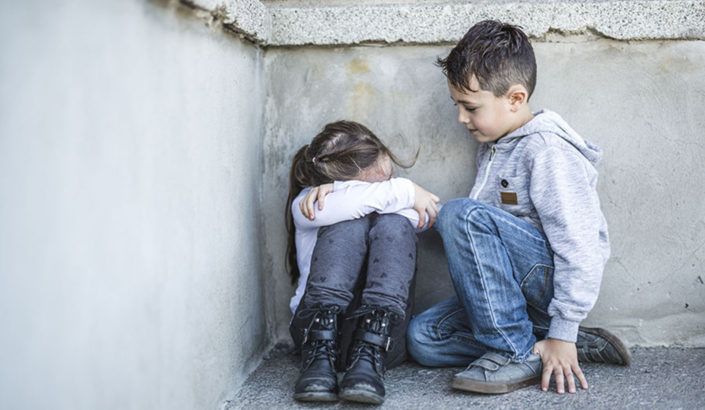
Growing up in 2026 means more screen time, more diverse classrooms, more stress—and more reason than ever for children to understand empathy. In simple terms, empathy means caring about someone else's feelings and seeing the world from their point of view. It's what helps us understand and relate to others, and it's essential for positive relationships at every age.
Empathy in children has two parts: feeling with someone (shared emotion, like your heart dropping when a friend is hurt) and understanding someone else's way of seeing something (perspective-taking, like imagining why a classmate might feel left out). Empathy involves sharing emotions with others and includes understanding different perspectives—both matter.
Empathy is different from sympathy. If a friend loses a game and your child says "too bad," that's sympathy. If your child can actually feel sad alongside that friend and then offers to play again, that's empathy in action.
Research backs up why this matters. A meta-analysis of 40 studies found that students in social-emotional learning programs show average academic improvements of 4.2 percentile points—and 8.4 when programs run beyond one semester. The OECD reports that students with higher empathy, trust, and tolerance achieve better academically and show stronger well-being. Empathy is essential for forming strong relationships, fewer conflicts, and better mental health—skills that predict long-term success more than test scores alone.
Empathetic kids also become better community members and young entrepreneurs, able to think about what customers or teammates need before being asked.
Helping Your Child Understand Empathy
Kids need concrete language and real examples to understand empathy, especially elementary students in their early years. Abstract definitions won't land. Everyday scenarios will.
- Use kid-friendly language. Try: "Empathy is like putting yourself in someone else's shoes. You imagine how they feel, not just how you feel." Use playground conflicts or sibling arguments as teaching moments.
- Start with their own feelings. Ask, "How did you feel when your friend didn't save you a seat?" Then invite them to guess how someone else might feel in the same situation. Discussing emotions helps children learn to express feelings and develop emotional awareness.
- Use stories and characters. Reading stories can facilitate discussions about characters' emotions. Ask, "Why do you think that person did that? How would you feel?" Books and short videos let kids safely explore complicated emotions like jealousy, disappointment, and pride.
- Build emotional vocabulary. Building emotional vocabulary helps children recognize feelings in others. Normalize talking about emotions daily—naming happiness, frustration, and worry—so kids have the words they need to identify feelings in themselves and the people around them.
Modeling Empathy at Home, in Classrooms, and at the Lemonade Stand
Kids learn to model empathy by watching adults more than by listening to lectures. Children learn empathy by observing caregivers' interactions—how you treat a stressed neighbor, a slow cashier, or a disappointed child teaches far more than a speech about kindness.
- Listen without rushing. Reflect back a child's feelings: "It sounds like you're frustrated because your drawing didn't turn out how you imagined." Validating children's feelings encourages emotional understanding. Modeling empathy teaches children how to express their emotions.
- Narrate empathy toward others in front of your child. Thank a neighbor for help. Check in on a friend having a hard time. Speak kindly to a store clerk. Say out loud: "I noticed she looked tired, so I asked if she needed anything." Modeling empathy encourages children to practice it themselves.
- At the lemonade stand: Imagine an elderly customer struggling to read the menu. A mentor might gently offer help, then turn to the child and say, "Did you notice he was squinting? What could we do to make it easier for him next time?" That moment is empathy in action.
- Be specific with praise. Teachers and mentors in youth entrepreneurship programs should call out and praise specific empathetic behaviors—"You noticed she looked nervous and offered to help—that's showing empathy"—rather than a generic "good job."
Teaching Kids to Notice Feelings and Body Language

Kids can't respond with empathy if they don't first notice clues in faces, voice tone, and body language. Children can practice recognizing non-verbal cues to understand feelings—but they need guided practice.
- Play "emotion detective." Have kids guess feelings from facial expressions or posture (happy, frustrated, bored, left out) at home, at school, or watching customers at a lemonade stand line.
- Use real-life moments. During sibling squabbles, playground mishaps, or a disappointed customer, ask: "What do you think their body is telling you?" Then discuss. A 2025 eye-tracking study found that even children around ages 3-4 who can regulate their own emotional reactions develop empathy more effectively.
- Address screen time. Screens and fast-paced social media can make it harder for kids to read in-person cues. Families should intentionally practice face-to-face noticing—watching people at the grocery store, during family meals, or at community events.
- Include every child. Kids who are shy, neurodivergent, or overwhelmed by social cues may need slower, step-by-step practice. Check for understanding gently rather than putting them on the spot.
Empathy, Self-Control, and Managing Big Feelings
Kids often seem "uncaring" not because they lack empathy, but because their own big feelings—anger, embarrassment, excitement—take over in the moment. When a child can pause, breathe, and calm down, they have more mental space to think about someone else's perspective. Discussing emotions helps children manage their feelings effectively, and children need practice to develop emotional management skills.
- Teach concrete calming strategies by ages 5-8: counting breaths, squeezing a stress ball, or taking a "cool-down" break. Adults can coach these in the moment rather than after the fact.
- Lemonade stand example: A child frustrated by a long line on a busy day learns to pause and reset instead of snapping at a younger sibling or classmate helping at the stand. That moment of self control is the foundation empathy grows on.
- Replay tricky moments afterward. Name the feelings, brainstorm kinder responses, and reinforce that empathy requires practice, similar to learning a language or a sport. Daily check-ins enable children to articulate their emotions—try a quick "rose, thorn, bud" conversation at dinner.
Perspective-Taking: Seeing from Someone Else's Point of View
Empathy grows deeper when kids can imagine not just how someone feels but why they might feel that way based on their experiences. Perspective-taking encourages children to think beyond their own experience and into someone else's world.
- Ask perspective-taking questions. "If you were a new student, what would recess feel like?" "If you were the customer waiting in the sun, what would you hope the stand owner would do?" These questions help children understand other perspectives in real time.
- Match expectations to age. Young kids (3-6) can notice basic feelings; older kids (7-12) can discuss more complex motives, fairness, and cultural differences. Encouraging diversity helps children respect perspectives different from their own lives.
- Try a "Day in the Life" activity. Have kids imagine or draw what someone else's day looks like—a sibling, teacher, neighbor, or community helper. This builds mutual understanding beyond their own experience.
- Use real entrepreneurship scenarios. Deciding how to price lemonade, donate profits, or greet different customers forces kids to think about what matters to someone else. Children can learn empathy through role-playing scenarios tied to real decisions. Programs like Lemonade Day make these situations tangible.
Age-Specific Strategies to Grow an Empathetic Child
Empathy skills build over time, and adults can tailor activities to a child's age while keeping the same goals: understanding feelings, self control, and caring action.
Ages 3-5 (Early Childhood)
- Label emotions during play: "Your bear looks scared. What could we do?"
- Use simple stories and ask what characters might feel
- Create a "We Care" box with tissues, drawings, or small toys kids can offer when a friend is hurt
- Programs like Seeds of Empathy show that even very young children begin building empathy through guided observation
Ages 5-8 (Early Elementary)
- Interactive activities like charades can enhance emotional recognition skills—try "emotion charades" at family game night
- Role-playing scenarios can enhance children's empathy skills: act out sharing, including others at recess, or handling a disappointed friend
- Introduce basic money choices with small amounts (e.g., deciding to save, spend, or share $1 from an allowance), connecting empathy to real decisions about money management
Ages 9-12 (Preteens)
- Lead deeper discussions about fairness, differences, and current events
- Introduce volunteer projects and real responsibility—like leading parts of a lemonade stand or charity project
- Encourage kids to hear ideas from peers with different backgrounds and respond with respect, not dismissal
Turning Empathy into Action: Everyday Opportunities (Including Lemonade Day)
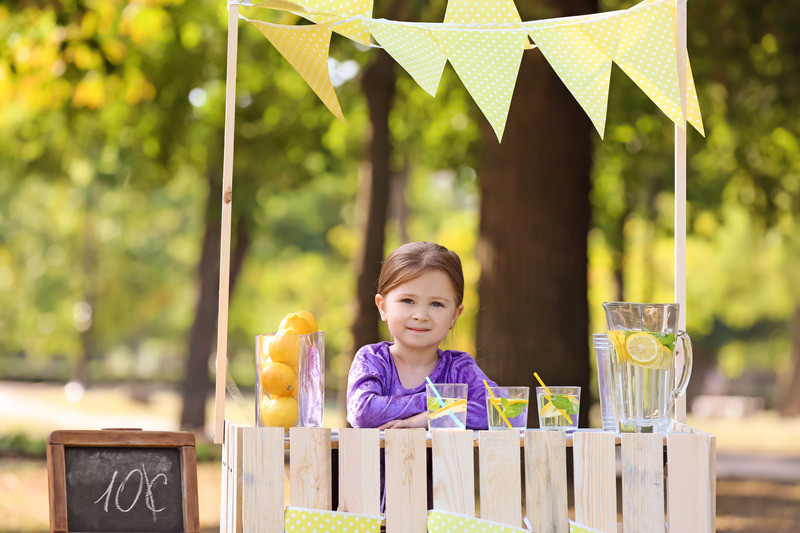
Showing empathy means doing something caring in response—even small acts matter. Daily activities can be used to teach empathy effectively when parents and educators are intentional.
- At home: Comforting a sibling who feels bad, including the lonely child at the park, writing a kind note to a teacher, or helping a stressed caregiver with a quick chore. Practicing acts of kindness helps children learn to care for others.
- At school: Cooperative projects, buddy systems with younger students, and classroom roles like "friendship ambassador" give elementary students structured ways to practice. Helping others fosters kindness and empathy in children. Volunteering can help children develop strong social skills.
- At a lemonade stand: Planning and running a stand lets kids practice noticing customers' needs, speaking kindly, handling mistakes, and deciding how to share profits to help someone else. Children learn empathy by helping others in their community, and children can practice empathy through community service activities.
- Celebrate empathy, not just profit. Families and communities should recognize the moment a child patiently helps a confused customer or donates part of their earnings to a local cause. A child's actions in those moments reveal more character than any dollar amount. Children learn kindness by helping others in their community.
Empathy in the Digital Age and Social Media
In 2026, kids spend significant time online, which can both help and hinder learning empathy. Without body language and tone, text messages and comments easily lead to misunderstandings.
- Talk about what's missing online. Help kids understand that when you can't see a person's face, it's harder to know how your words affect them. Encourage pausing before posting and never joining in on teasing.
- Set clear family norms. Choose face-to-face conversations for serious topics or conflicts whenever possible. Adults should model thoughtful digital behavior—asking before posting photos and showing respect for privacy and feelings.
- Use digital tools positively. Sending encouraging messages, organizing a community project online, or sharing good news are all a powerful way to show kids that empathy can live online as well as offline.
How Lemonade Day Builds Empathy, Leadership, and Life Skills
Lemonade Day is a non-profit youth entrepreneurship program that guides kids in grades K-8 through starting and operating their own lemonade stand each year. But the lessons go far beyond business.
The curriculum and mentors encourage children to think from someone else's perspective—customers, partners, and community members—when they set goals, choose a stand location, and design their menu. Kids practice self control and problem-solving when they face challenges like long lines, running low on supplies, or frustrated customers, learning to respond with patience and empathy rather than panic.
The "spend, save, share" model naturally opens conversations about community needs, compassion, and helping others. When a child decides where to share profits, they're connecting empathy to a real choice that impacts someone else's life. Children can start their own community projects to help others, and engaging in community service helps children understand diverse perspectives. Explore more creative lemonade stand ideas that build both business sense and heart.
Ready to grow an empathetic child while teaching entrepreneurship and financial literacy?
Register your child for Lemonade Day, volunteer as a mentor, or help bring the program to your city. The skills your child builds at a lemonade stand—listening, thinking about others, and leading with kindness—will serve them for life.
Frequently Asked Questions About Building Empathy in Kids
Can young children, like 4- or 5-year-olds, really understand empathy?
Preschoolers can absolutely begin to understand empathy in simple ways—by noticing when a friend feels sad, offering a toy, or giving a hug—even if they can't yet explain someone else's perspective in words. Adults should focus on naming feelings ("You're sad because your tower fell") and modeling small acts of caring, rather than expecting long conversations or perfect behavior.
What if my child doesn't seem to care about other kids' feelings?
Some kids are more reserved or need more time to process. A lack of obvious reaction doesn't always mean they don't care; they may just struggle to show it. Keep modeling empathy, ask gentle questions about what others might feel, and practice empathy skills in low-pressure moments. If concern persists or is linked to other behavior challenges, speak with a pediatrician or school counselor.
How much should I involve my child in giving or charity decisions?
Encourage families to involve children in age-appropriate decisions around saving, spending, and sharing money or time. For example, invite your child to help choose a local cause to support with some of their lemonade stand profits or allowance, then visit or learn about that organization together. This turns generosity from something kids hear about into something they own.
Does focusing on empathy make kids too sensitive or unable to stand up for themselves?
Healthy empathy and healthy boundaries go together. An empathetic child can care about someone else's perspective while still saying "no" to unkind or unsafe behavior. Teach kids phrases that blend empathy and assertiveness: "I see you're upset, but I don't like being yelled at. Let's talk when we're calmer." That combination builds both compassion and confidence—and helps kids be a good friend without losing themselves.
How does empathy connect to entrepreneurship and future success?
Entrepreneurs who understand customers' needs, listen well, and work kindly with others tend to build stronger businesses and teams. Empathy is the foundation of healthy relationships—in business, in school, and in every part of life. Programs like Lemonade Day give kids a real-world lab to practice these social skills early: reading customer body language, responding to feedback, and making choices that help their community as well as their bottom line.

back to blog
Every parent wants their child to be kind. But kindness without understanding is shallow, and understanding without action is incomplete. Teaching empathy for kids gives children the ability to genuinely connect with the people around them, respond to struggles with compassion, and lead with confidence. The good news: empathy is a skill, not a fixed personality trait, and it can be built from preschool through middle school with the right practice.
Key Takeaways
- Empathy can be taught through modeling and practice at every age. Fostering empathy in children starts with listening to a child's feelings, naming emotions daily, and giving kids real chances to help someone else.
- Empathy supports self control, problem-solving, and leadership—skills that help kids succeed in school, friendships, and even running a simple business like a lemonade stand.
- Teaching empathy involves recognizing and understanding the feelings of others, not just feeling sorry for them. It combines shared emotion with perspective-taking.
- Lemonade Day uses youth entrepreneurship experiences (like serving customers at a stand) as a practical way for kids to practice reading body language, taking a child's perspective into real-world interactions, and showing empathy under pressure.
- Below you'll find concrete activities, age-specific tips, and a short FAQ so busy parents, educators, and mentors know exactly where to begin.
What Is Empathy for Kids (And Why It Matters in 2026)
Growing up in 2026 means more screen time, more diverse classrooms, more stress—and more reason than ever for children to understand empathy. In simple terms, empathy means caring about someone else's feelings and seeing the world from their point of view. It's what helps us understand and relate to others, and it's essential for positive relationships at every age.
Empathy in children has two parts: feeling with someone (shared emotion, like your heart dropping when a friend is hurt) and understanding someone else's way of seeing something (perspective-taking, like imagining why a classmate might feel left out). Empathy involves sharing emotions with others and includes understanding different perspectives—both matter.
Empathy is different from sympathy. If a friend loses a game and your child says "too bad," that's sympathy. If your child can actually feel sad alongside that friend and then offers to play again, that's empathy in action.
Research backs up why this matters. A meta-analysis of 40 studies found that students in social-emotional learning programs show average academic improvements of 4.2 percentile points—and 8.4 when programs run beyond one semester. The OECD reports that students with higher empathy, trust, and tolerance achieve better academically and show stronger well-being. Empathy is essential for forming strong relationships, fewer conflicts, and better mental health—skills that predict long-term success more than test scores alone.
Empathetic kids also become better community members and young entrepreneurs, able to think about what customers or teammates need before being asked.
Helping Your Child Understand Empathy
Kids need concrete language and real examples to understand empathy, especially elementary students in their early years. Abstract definitions won't land. Everyday scenarios will.
- Use kid-friendly language. Try: "Empathy is like putting yourself in someone else's shoes. You imagine how they feel, not just how you feel." Use playground conflicts or sibling arguments as teaching moments.
- Start with their own feelings. Ask, "How did you feel when your friend didn't save you a seat?" Then invite them to guess how someone else might feel in the same situation. Discussing emotions helps children learn to express feelings and develop emotional awareness.
- Use stories and characters. Reading stories can facilitate discussions about characters' emotions. Ask, "Why do you think that person did that? How would you feel?" Books and short videos let kids safely explore complicated emotions like jealousy, disappointment, and pride.
- Build emotional vocabulary. Building emotional vocabulary helps children recognize feelings in others. Normalize talking about emotions daily—naming happiness, frustration, and worry—so kids have the words they need to identify feelings in themselves and the people around them.
Modeling Empathy at Home, in Classrooms, and at the Lemonade Stand
Kids learn to model empathy by watching adults more than by listening to lectures. Children learn empathy by observing caregivers' interactions—how you treat a stressed neighbor, a slow cashier, or a disappointed child teaches far more than a speech about kindness.
- Listen without rushing. Reflect back a child's feelings: "It sounds like you're frustrated because your drawing didn't turn out how you imagined." Validating children's feelings encourages emotional understanding. Modeling empathy teaches children how to express their emotions.
- Narrate empathy toward others in front of your child. Thank a neighbor for help. Check in on a friend having a hard time. Speak kindly to a store clerk. Say out loud: "I noticed she looked tired, so I asked if she needed anything." Modeling empathy encourages children to practice it themselves.
- At the lemonade stand: Imagine an elderly customer struggling to read the menu. A mentor might gently offer help, then turn to the child and say, "Did you notice he was squinting? What could we do to make it easier for him next time?" That moment is empathy in action.
- Be specific with praise. Teachers and mentors in youth entrepreneurship programs should call out and praise specific empathetic behaviors—"You noticed she looked nervous and offered to help—that's showing empathy"—rather than a generic "good job."
Teaching Kids to Notice Feelings and Body Language
Kids can't respond with empathy if they don't first notice clues in faces, voice tone, and body language. Children can practice recognizing non-verbal cues to understand feelings—but they need guided practice.
- Play "emotion detective." Have kids guess feelings from facial expressions or posture (happy, frustrated, bored, left out) at home, at school, or watching customers at a lemonade stand line.
- Use real-life moments. During sibling squabbles, playground mishaps, or a disappointed customer, ask: "What do you think their body is telling you?" Then discuss. A 2025 eye-tracking study found that even children around ages 3-4 who can regulate their own emotional reactions develop empathy more effectively.
- Address screen time. Screens and fast-paced social media can make it harder for kids to read in-person cues. Families should intentionally practice face-to-face noticing—watching people at the grocery store, during family meals, or at community events.
- Include every child. Kids who are shy, neurodivergent, or overwhelmed by social cues may need slower, step-by-step practice. Check for understanding gently rather than putting them on the spot.
Empathy, Self-Control, and Managing Big Feelings
Kids often seem "uncaring" not because they lack empathy, but because their own big feelings—anger, embarrassment, excitement—take over in the moment. When a child can pause, breathe, and calm down, they have more mental space to think about someone else's perspective. Discussing emotions helps children manage their feelings effectively, and children need practice to develop emotional management skills.
- Teach concrete calming strategies by ages 5-8: counting breaths, squeezing a stress ball, or taking a "cool-down" break. Adults can coach these in the moment rather than after the fact.
- Lemonade stand example: A child frustrated by a long line on a busy day learns to pause and reset instead of snapping at a younger sibling or classmate helping at the stand. That moment of self control is the foundation empathy grows on.
- Replay tricky moments afterward. Name the feelings, brainstorm kinder responses, and reinforce that empathy requires practice, similar to learning a language or a sport. Daily check-ins enable children to articulate their emotions—try a quick "rose, thorn, bud" conversation at dinner.
Perspective-Taking: Seeing from Someone Else's Point of View
Empathy grows deeper when kids can imagine not just how someone feels but why they might feel that way based on their experiences. Perspective-taking encourages children to think beyond their own experience and into someone else's world.
- Ask perspective-taking questions. "If you were a new student, what would recess feel like?" "If you were the customer waiting in the sun, what would you hope the stand owner would do?" These questions help children understand other perspectives in real time.
- Match expectations to age. Young kids (3-6) can notice basic feelings; older kids (7-12) can discuss more complex motives, fairness, and cultural differences. Encouraging diversity helps children respect perspectives different from their own lives.
- Try a "Day in the Life" activity. Have kids imagine or draw what someone else's day looks like—a sibling, teacher, neighbor, or community helper. This builds mutual understanding beyond their own experience.
- Use real entrepreneurship scenarios. Deciding how to price lemonade, donate profits, or greet different customers forces kids to think about what matters to someone else. Children can learn empathy through role-playing scenarios tied to real decisions. Programs like Lemonade Day make these situations tangible.
Age-Specific Strategies to Grow an Empathetic Child
Empathy skills build over time, and adults can tailor activities to a child's age while keeping the same goals: understanding feelings, self control, and caring action.
Ages 3-5 (Early Childhood)
- Label emotions during play: "Your bear looks scared. What could we do?"
- Use simple stories and ask what characters might feel
- Create a "We Care" box with tissues, drawings, or small toys kids can offer when a friend is hurt
- Programs like Seeds of Empathy show that even very young children begin building empathy through guided observation
Ages 5-8 (Early Elementary)
- Interactive activities like charades can enhance emotional recognition skills—try "emotion charades" at family game night
- Role-playing scenarios can enhance children's empathy skills: act out sharing, including others at recess, or handling a disappointed friend
- Introduce basic money choices with small amounts (e.g., deciding to save, spend, or share $1 from an allowance), connecting empathy to real decisions about money management
Ages 9-12 (Preteens)
- Lead deeper discussions about fairness, differences, and current events
- Introduce volunteer projects and real responsibility—like leading parts of a lemonade stand or charity project
- Encourage kids to hear ideas from peers with different backgrounds and respond with respect, not dismissal
Turning Empathy into Action: Everyday Opportunities (Including Lemonade Day)
Showing empathy means doing something caring in response—even small acts matter. Daily activities can be used to teach empathy effectively when parents and educators are intentional.
- At home: Comforting a sibling who feels bad, including the lonely child at the park, writing a kind note to a teacher, or helping a stressed caregiver with a quick chore. Practicing acts of kindness helps children learn to care for others.
- At school: Cooperative projects, buddy systems with younger students, and classroom roles like "friendship ambassador" give elementary students structured ways to practice. Helping others fosters kindness and empathy in children. Volunteering can help children develop strong social skills.
- At a lemonade stand: Planning and running a stand lets kids practice noticing customers' needs, speaking kindly, handling mistakes, and deciding how to share profits to help someone else. Children learn empathy by helping others in their community, and children can practice empathy through community service activities.
- Celebrate empathy, not just profit. Families and communities should recognize the moment a child patiently helps a confused customer or donates part of their earnings to a local cause. A child's actions in those moments reveal more character than any dollar amount. Children learn kindness by helping others in their community.
Empathy in the Digital Age and Social Media
In 2026, kids spend significant time online, which can both help and hinder learning empathy. Without body language and tone, text messages and comments easily lead to misunderstandings.
- Talk about what's missing online. Help kids understand that when you can't see a person's face, it's harder to know how your words affect them. Encourage pausing before posting and never joining in on teasing.
- Set clear family norms. Choose face-to-face conversations for serious topics or conflicts whenever possible. Adults should model thoughtful digital behavior—asking before posting photos and showing respect for privacy and feelings.
- Use digital tools positively. Sending encouraging messages, organizing a community project online, or sharing good news are all a powerful way to show kids that empathy can live online as well as offline.
How Lemonade Day Builds Empathy, Leadership, and Life Skills
Lemonade Day is a non-profit youth entrepreneurship program that guides kids in grades K-8 through starting and operating their own lemonade stand each year. But the lessons go far beyond business.
The curriculum and mentors encourage children to think from someone else's perspective—customers, partners, and community members—when they set goals, choose a stand location, and design their menu. Kids practice self control and problem-solving when they face challenges like long lines, running low on supplies, or frustrated customers, learning to respond with patience and empathy rather than panic.
The "spend, save, share" model naturally opens conversations about community needs, compassion, and helping others. When a child decides where to share profits, they're connecting empathy to a real choice that impacts someone else's life. Children can start their own community projects to help others, and engaging in community service helps children understand diverse perspectives. Explore more creative lemonade stand ideas that build both business sense and heart.
Ready to grow an empathetic child while teaching entrepreneurship and financial literacy?
Register your child for Lemonade Day, volunteer as a mentor, or help bring the program to your city. The skills your child builds at a lemonade stand—listening, thinking about others, and leading with kindness—will serve them for life.
Frequently Asked Questions About Building Empathy in Kids
Can young children, like 4- or 5-year-olds, really understand empathy?
Preschoolers can absolutely begin to understand empathy in simple ways—by noticing when a friend feels sad, offering a toy, or giving a hug—even if they can't yet explain someone else's perspective in words. Adults should focus on naming feelings ("You're sad because your tower fell") and modeling small acts of caring, rather than expecting long conversations or perfect behavior.
What if my child doesn't seem to care about other kids' feelings?
Some kids are more reserved or need more time to process. A lack of obvious reaction doesn't always mean they don't care; they may just struggle to show it. Keep modeling empathy, ask gentle questions about what others might feel, and practice empathy skills in low-pressure moments. If concern persists or is linked to other behavior challenges, speak with a pediatrician or school counselor.
How much should I involve my child in giving or charity decisions?
Encourage families to involve children in age-appropriate decisions around saving, spending, and sharing money or time. For example, invite your child to help choose a local cause to support with some of their lemonade stand profits or allowance, then visit or learn about that organization together. This turns generosity from something kids hear about into something they own.
Does focusing on empathy make kids too sensitive or unable to stand up for themselves?
Healthy empathy and healthy boundaries go together. An empathetic child can care about someone else's perspective while still saying "no" to unkind or unsafe behavior. Teach kids phrases that blend empathy and assertiveness: "I see you're upset, but I don't like being yelled at. Let's talk when we're calmer." That combination builds both compassion and confidence—and helps kids be a good friend without losing themselves.
How does empathy connect to entrepreneurship and future success?
Entrepreneurs who understand customers' needs, listen well, and work kindly with others tend to build stronger businesses and teams. Empathy is the foundation of healthy relationships—in business, in school, and in every part of life. Programs like Lemonade Day give kids a real-world lab to practice these social skills early: reading customer body language, responding to feedback, and making choices that help their community as well as their bottom line.

STAY CONNECTED TO LEMONADE DAY NATIONAL


@LemonadeDayNational