
How to Teach Kids Kindness That Lasts a Lifetime
Eight-year-old Mia was counting her lemonade earnings when she noticed something that would change her entire perspective on business success. Her mail carrier, Mr. Rodriguez, was trudging slowly down the sidewalk on that sweltering July afternoon, sweat beading on his forehead as he carried his heavy bag.
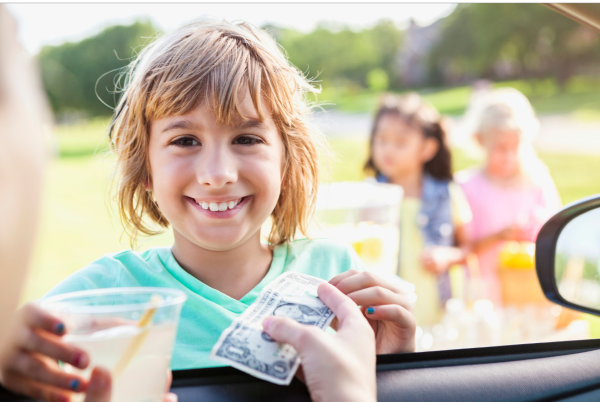
Without hesitation, Mia grabbed a cold cup of lemonade and ran to the street corner. “This is for you, Mr. Rodriguez! No charge - you work so hard for our whole neighborhood!”
The grateful smile that spread across his face taught Mia something no business textbook ever could: kindness isn’t just the right thing to do - it’s good for business too. Mr. Rodriguez became her most enthusiastic supporter, telling every neighbor about “the sweetest lemonade stand in town.”
This story illustrates why lemonade stands serve as perfect classrooms for teaching kindness to children. When it comes down to how to teach kids kindness, a lemonade stand is tough to beat. Unlike structured lessons about being nice, lemonade stands create authentic interactions with diverse community members - elderly neighbors, busy parents rushing from work, other kids on bicycles, and essential workers like delivery drivers. Each interaction offers a chance for young kids to practice empathy, demonstrate kindness, and learn that treating others well creates genuine connections.
During the process of preparing a lemonade stand, parents can take time to explain the difference between being kind and being nice, using real-life examples to help children understand how kindness involves thoughtful actions and genuine care for others.
The connection between good business practices and kindness isn’t accidental. Research shows that children who learn to treat customers with genuine care and respect naturally develop stronger social skills and emotional intelligence. When kids focus on making customers feel welcome rather than just making money, they discover that repeat customers come from building relationships, not just selling a product.
This aligns perfectly with Lemonade Day’s mission, which emphasizes building character alongside business skills. Most parents want their children to become successful, but they also want them to become good people. A lemonade stand offers the unique opportunity to teach both simultaneously, creating young entrepreneurs who understand that true success includes making a positive difference in their community.
Key Takeaways
- A lemonade stand provides natural opportunities to practice kindness through customer service, community connection, and charitable giving
- Teaching kindness at an early age helps build lifelong habits
- Kids as young as 5 can learn empathy by observing customer reactions and adjusting their approach to make others feel welcome
- Teaching kindness alongside business skills creates young entrepreneurs who value relationships over pure profit
- Parents can encourage kids to perform small acts of kindness, like offering free cups to delivery workers or donating a portion of earnings to local charities, through their lemonade stand experience to build lasting kindness habits
- Parents can use lemonade stand experiences to discuss real-world kindness scenarios in age-appropriate ways
Setting the Foundation: Modeling Kindness Before Opening Day
Teaching kindness starts long before your child opens their lemonade stand for the first time. Children are remarkably observant - they pick up on subtle behavioral cues from adults and internalize them as normal ways to interact with the world. Parents who model kindness create a template their kids will naturally follow.
During those lemonade supply shopping trips to the grocery store, demonstrate kindness in action. Thank store clerks by name, hold doors open for families with strollers, and offer to help elderly shoppers reach items on high shelves. These moments show children that kindness extends far beyond their immediate family circle. Kindness is a skill that children develop by observing and practicing positive interactions with others.
As you prepare for opening day, teach kids specific phrases that encourage kind behavior. Practice saying “please” and “thank you” until it becomes second nature, but go deeper than basic politeness. Help them learn empathetic responses like “How has your day been?” or “I hope you enjoy this on such a hot day!” These phrases teach children to see customers as individual people with their own stories and experiences.
Role-playing scenarios with family members before the real stand opens helps kids feel confident when greeting different types of customers. Practice interactions with elderly neighbors who might move slowly, busy parents who may seem rushed, and other kids who could become friends. Through these practice sessions, children learn that kindness adapts to different situations while remaining genuine and caring.
Teaching the Difference Between Nice and Kind at Your Stand
The idea of kindness as a foundational value shapes how children interact with others, guiding their actions beyond simple politeness.
Many children initially confuse being nice with being kind, but understanding the distinction transforms how they interact with customers. Nice behavior focuses on surface-level politeness - smiling and saying “Have a great day!” to every customer. Kind behavior goes deeper, involving genuine care and attention to others’ needs.
Kindness means noticing when someone seems sad and asking “Are you okay?” or offering an extra cookie when a customer mentions having a difficult day. It’s the difference between following social rules and genuinely caring about another person’s wellbeing. Young children can grasp this concept when presented with concrete examples from their lemonade stand experience.
Creating a simple reference poster helps kids remember the distinction: “Nice is polite, Kind is caring.” Post this where children can see it during their lemonade stand operation, serving as a gentle reminder to look beyond surface interactions and truly connect with customers.
Family discussion prompts help reinforce these concepts during everyday life.
Ask your child to think about times when they’ve experienced both nice and kind treatment. Perhaps a store employee was nice by saying “Have a good day” but a friend was kind by noticing they seemed upset and asking what was wrong. These conversations help children understand that while nice behavior is perfectly acceptable, kindness creates deeper, more meaningful connections.
Kindness in Action: Daily Lemonade Stand Practices
Starting each day with a family intention sets the tone for kind interactions throughout their lemonade stand experience. Gather together before opening and announce: “Today we’ll focus on making people smile” or “Let’s see how many times we can help someone feel welcome.” This simple ritual helps younger children remember that their goal extends beyond earning money.
Keep a “Kindness Journal” where family members record one kind act or observation each day.
This practice teaches kids to actively look for opportunities to demonstrate kindness and helps them recognize kindness from others. Whether it’s noting how they helped a customer find exact change or observing a neighbor’s patience when their lemonade service was slower than they wanted, the journal creates awareness of kindness in daily interactions.
Teaching kids to notice customer needs develops their empathy skills naturally. Some customers might need extra napkins after spilling, others could be lost and need directions, and some might simply look lonely and benefit from a brief, friendly conversation. Children who learn to observe and respond to these subtle cues develop emotional intelligence that serves them throughout life.
Creating special “Thank You” cards for customers who show patience or kindness teaches children to recognize and appreciate good behavior in others. Expressing gratitude in this way helps reinforce positive behavior and makes both the giver and receiver feel valued. When an older customer waits patiently while your young child counts change, or when someone compliments their stand decorations, a handwritten thank-you note shows that kindness is noticed and valued.
The Power of Small Gestures
Six-year-old Alex discovered the impact of small gestures when he noticed an elderly customer’s hands shaking as she tried to hold her lemonade cup. Instead of simply handing over the drink, Alex gently held the cup steady until she had a secure grip. The woman’s grateful smile and her comment that “not many young people pay such close attention” taught Alex that kindness doesn’t require grand gestures - sometimes the smallest acts of consideration make the biggest difference.
Teaching kids that kindness doesn’t cost money removes barriers to generous behavior. Eye contact, genuine smiles, patience when customers take time to decide, and remembering the names of regular visitors are all free ways to show care. These lessons help children understand that everyone, regardless of their family’s financial situation, can afford to be kind.
A “Kindness Jar” where family members add a penny for each kind act they witness or perform creates a visual representation of daily kindness. Seeing the jar fill up can make kids feel good about their contributions and motivate them to continue being kind. At the end of each week, count the pennies together and discuss the acts of kindness they represent. This practice shows children that small acts accumulate into something meaningful and helps the whole family become more aware of kindness opportunities.
Discussion about how small kindnesses can change someone’s entire day helps children understand the ripple effects of their behavior. That free lemonade for the mail carrier might be the only bright spot in an otherwise difficult day. A patient interaction with a frustrated parent might remind them to take a deep breath and treat their own children more gently when they get home.
Practicing Mindfulness at the Lemonade Stand
Picture this: your kid's running their very first lemonade stand, and you've got a secret ingredient that'll make it way more special than just sweet drinks and loose change. It's called mindfulness, and it's basically a fancy word for paying attention to what's happening right now. When kids learn to slow down and notice their feelings-and other people's feelings too-something pretty amazing happens. They start showing real kindness and empathy, not because they have to, but because they actually get it.
Here's how you can make this work. Ask your little entrepreneur to really notice stuff while they're working-the cold pitcher in their hands, those bright yellow lemons, or the happy sounds of people chatting nearby. What if they took a deep breath before serving each customer?
That simple pause helps them feel centered and ready to greet folks with genuine smiles and kind words. And when things go sideways (because they will spill cups, cranky customers, you name it), remind them to stop for a second. "How are you feeling right now? What's a kind way to handle this?" It's like giving them a superpower for tough moments.
The coolest part?
When mindfulness becomes just part of doing business, kids don't just get better at being nice to others-they learn to be kind to themselves too. They start picking up on how their words and actions affect the people around them. That's empathy in action, folks. These little mindful moments might seem small, but they're building something huge: kids who genuinely care about making the world a better place, one cup of lemonade at a time.
Building Empathy Through Customer Interactions
Teaching kids to observe body language and facial expressions of customers develops their emotional intelligence in real-world settings. Point out when someone seems hurried by their quick movements, or when another customer appears sad based on their posture and expression. These observations help children learn to read social cues and respond appropriately to others’ emotional states.
Help children understand that some people might be having difficult days that have nothing to do with the lemonade stand. The customer who seems grumpy might be dealing with work stress, family problems, or health concerns. When kids understand this concept, they learn that kind responses can help rather than taking negative behavior personally.
Role-playing how to respond when someone is grumpy or impatient prepares children for challenging interactions. Practice scenarios where a customer complains about prices or seems frustrated by wait times. Teach phrases like “I understand you’re in a hurry” or “I’m sorry this isn’t what you expected” that acknowledge others’ feelings while maintaining respect. These activities give children the chance to practice showing empathy in real-life situations, reinforcing the importance of compassionate responses.
Encouraging kids to ask parents later: “Why do you think that person seemed upset?” creates opportunities for deeper discussions about human behavior and empathy. These conversations help children develop perspective-taking skills and learn that everyone carries invisible burdens that influence their interactions with others.
Handling Difficult Situations with Kindness
Teaching children what to do when someone complains about prices or quality helps them maintain kindness even in challenging situations. Role-play responses like “I’m sorry you feel that way. What would make this better for you?” These phrases acknowledge the customer’s feelings while opening dialogue for resolution. It’s also important to recognize when a customer might be hurting and respond with extra compassion, as sometimes their complaints may come from a place of personal struggle.
However, teaching kids that kindness doesn’t mean accepting unkind treatment protects their emotional wellbeing and self-respect. Kindness does not mean allowing others to hurt you or take advantage of your good nature. Children need to understand the difference between being understanding toward someone having a bad day and tolerating genuinely inappropriate behavior. If a customer becomes truly rude or demanding, it’s perfectly acceptable to set boundaries.
Parent guidance on when to step in versus letting kids handle situations themselves builds their confidence while ensuring their safety. Create clear guidelines about which situations children can manage independently (minor complaints, impatient customers) and which require adult intervention (aggressive behavior, inappropriate comments).
Creating a family safety phrase kids can use when they need help gives them a way to request support without feeling embarrassed. A simple phrase like “Can you help me remember something?” signals parents to step in while maintaining the child’s dignity in front of customers.
Extending Kindness Beyond the Stand
Donating 10% of earnings to a local animal shelter or food bank teaches children that business success includes giving back to the community and showing kindness to animals as well as people. Let kids research local charities and choose where their donation will go, creating investment in the kindness process. This practice shows that acts of kindness can extend far beyond individual interactions.
Offering free lemonade to essential workers like mail carriers, garbage collectors, and delivery drivers teaches children to recognize and appreciate people who serve their community. Create special “Community Hero” signs that identify these customers, helping kids understand that many people work hard to make their neighborhood function smoothly. It’s important to show kindness to everyone, even those who might not always be noticed or appreciated.
Creating special discount cards for elderly neighbors or families with many children shows kids how kindness can be both thoughtful and practical. Design colorful cards offering 50% discounts or buy-one-get-one-free deals, and encourage children to personally deliver them to deserving recipients.
Organizing a “Community Helper Day” where local heroes get free refreshments brings the neighborhood together while teaching children about service. Invite police officers, firefighters, teachers, or healthcare workers to stop by the stand for complimentary treats.
These events help kids understand that their lemonade stand can become a focal point for community appreciation and connection, and that community helpers should be treated with kindness and respect for their service.
Teaching Self-Kindness for Young Entrepreneurs
Helping kids understand that mistakes are learning opportunities protects their self-esteem during the inevitable spills, calculation errors, and forgotten ingredients that come with running a lemonade stand. When children spill lemonade or give incorrect change, frame these moments as normal parts of the learning process rather than failures.
Teaching positive self-talk transforms how children respond to challenges. Practice phrases like “I’m still learning” instead of “I’m bad at this” or “That was tricky, but I’ll figure it out” instead of “I always mess up.” Remind kids that speaking kindly to themselves is just like being a good friend to others-everyone deserves encouragement and understanding. These internal conversations build resilience and self-compassion.
Scheduling breaks and ensuring kids stay hydrated during long stand days models self-care and prevents burnout. Show children that taking care of themselves allows them to better care for others. A tired, thirsty child cannot provide the same level of kind customer service as one who feels comfortable and energized.
Celebrating effort and improvement rather than just profit numbers teaches children that success includes character growth alongside financial achievement. Praise statements like “I noticed how patient you were with that confused customer” or “You remembered to thank everyone today” reinforce that kindness matters as much as money earned.
Creating a Kindness Culture Through Your Stand
Turning your lemonade stand into a kindness hub? It's one of the best ways to show kids that being empathetic, respectful, and caring really matters. When you make kindness a big deal, children start to see that being nice to people-whether it's something small or something big-is just as important as selling that cup of lemonade.
Here's a fun idea: try a kindness jar! Have your kids write down kind things they see happening, like when a friend helps clean up or a customer says something sweet, or when their sibling cheers them on. Reading these notes together at the end of the day? That's when everyone really gets how awesome kindness can be.
Get your kids talking with each customer-really talking! Ask things like, "What's your favorite summer memory?" or "How's your day going so far?" This makes customers feel special, and it teaches your child to care about what's happening in other people's lives. Remind them that every single conversation is a chance to practice caring-whether they're comforting a sad friend, saying thanks to someone who helped, or just giving a big smile to someone they don't even know.
When you focus on respect and caring like this, your stand becomes way more than just a lemonade business. It becomes a place where kindness grows and spreads. Kids will see how happy their kindness makes people, and they'll want to keep doing nice things everywhere they go. The best part? This creates a ripple effect that can change your whole neighborhood and shows children that kindness isn't just nice-it's powerful.
Creating Lasting Kindness Habits
Weekly family meetings to discuss kindness observations from the stand help integrate these lessons into ongoing family values. Ask questions like “What was the kindest thing that happened at our stand this week?” or “How did helping others make you feel?” These discussions reinforce that kindness deserves recognition and celebration. Regular reflection helps raise kind kids who value kindness as a core trait.
Creating thank-you notes for customers who taught your family something new shows children that learning is a two-way process. The elderly customer who shared stories about running her own childhood lemonade stand or the parent who offered business advice deserve recognition for their contributions to your family’s growth.
Planning how to continue practicing kindness after Lemonade Day ends ensures these lessons extend beyond a single summer activity. Brainstorm family kindness goals for the school year, holiday seasons, and next summer’s lemonade adventures. Encourage kids to be kind in all areas of their lives, making kindness a consistent habit.
Age-Appropriate Kindness Activities
Ages 5-7: Focus on simple, concrete acts of kindness that younger children can easily understand and perform. Every kid can participate in kindness activities, regardless of age. Teaching basic greetings like “Good morning!” and “Thank you for coming!” builds foundation skills. Sharing snacks with siblings during stand preparation teaches generosity in familiar relationships. Helping clean up spills, even their own, develops responsibility and consideration for shared spaces.
Ages 8-10: Expand to more complex kindness activities that require planning and empathy. Writing thank-you notes for regular customers teaches appreciation and relationship-building. Remembering regular customers’ names and asking about their families shows personal interest. Offering help to other young entrepreneurs in the neighborhood builds peer support and collaborative spirit.
Ages 11-14: Challenge older children with leadership roles in kindness initiatives. They can plan and organize community service projects connected to their lemonade business, mentor younger kids who are starting their own stands, and understand complex social situations that require nuanced responses to customer needs.
Family activities for mixed-age groups: Create inclusive activities during stand preparation and operation that engage children across age ranges. These activities help kids appreciate and celebrate differences among their peers. Older children can help younger ones write thank-you cards, everyone can participate in decorating the stand with welcoming messages, and family brainstorming sessions about community kindness projects include all voices and perspectives.
Measuring Success Beyond Profit
Creating a “Kindness Scorecard” alongside financial tracking teaches children that multiple metrics define success. Include categories like “customers who smiled,” “thank-you notes received,” “community helpers served,” and “times we helped someone feel better.” Tracking these moments helps children see all the ways they show kindness in their daily interactions. This visual representation shows that business success includes relationship-building and community impact.
Ask kids daily: “What made you proudest today?” and celebrate kindness answers with the same enthusiasm as profit announcements. When children report feeling proud about making a sad customer smile or helping an elderly neighbor, acknowledge these achievements as meaningful business outcomes.
Taking photos of genuine smiles and happy customer interactions creates a visual record of relationship-building success. These images serve as reminders that the lemonade stand created positive moments in people’s days, not just transactions. Consider creating a photo album or scrapbook that documents both financial progress and kindness achievements.
Reflecting on how kindness practices improved business results helps children understand the connection between character and success. Regular customers often return because they feel genuinely welcome, positive word-of-mouth marketing comes from customers who feel cared for, and community support grows when neighbors see the stand as a positive neighborhood presence.
FAQ
What if my child is naturally shy and struggles with customer interaction?
Start with small kindnesses, like preparing extra napkins or decorating cups. Let kids watch parent-customer interactions, then encourage steps like smiling while handing over a cup. Shyness doesn't stop kindness; quiet consideration is often most effective..
How can I teach kindness without my child becoming too trusting of strangers?
Teach kids to be polite and helpful while prioritizing safety such as staying near parents, avoiding strangers, and using a safety phrase if uncomfortable. Kindness involves respectful boundaries, not ignoring safety rules.
How can we continue practicing kindness after Lemonade Day ends?
Establish kindness as a year-round family value. Create a kindness calendar with weekly challenges and commit to local volunteering. Apply kindness learned during Lemonade Day to school and community.

back to blog
Eight-year-old Mia was counting her lemonade earnings when she noticed something that would change her entire perspective on business success. Her mail carrier, Mr. Rodriguez, was trudging slowly down the sidewalk on that sweltering July afternoon, sweat beading on his forehead as he carried his heavy bag.
Without hesitation, Mia grabbed a cold cup of lemonade and ran to the street corner. “This is for you, Mr. Rodriguez! No charge - you work so hard for our whole neighborhood!”
The grateful smile that spread across his face taught Mia something no business textbook ever could: kindness isn’t just the right thing to do - it’s good for business too. Mr. Rodriguez became her most enthusiastic supporter, telling every neighbor about “the sweetest lemonade stand in town.”
This story illustrates why lemonade stands serve as perfect classrooms for teaching kindness to children. When it comes down to how to teach kids kindness, a lemonade stand is tough to beat. Unlike structured lessons about being nice, lemonade stands create authentic interactions with diverse community members - elderly neighbors, busy parents rushing from work, other kids on bicycles, and essential workers like delivery drivers. Each interaction offers a chance for young kids to practice empathy, demonstrate kindness, and learn that treating others well creates genuine connections.
During the process of preparing a lemonade stand, parents can take time to explain the difference between being kind and being nice, using real-life examples to help children understand how kindness involves thoughtful actions and genuine care for others.
The connection between good business practices and kindness isn’t accidental. Research shows that children who learn to treat customers with genuine care and respect naturally develop stronger social skills and emotional intelligence. When kids focus on making customers feel welcome rather than just making money, they discover that repeat customers come from building relationships, not just selling a product.
This aligns perfectly with Lemonade Day’s mission, which emphasizes building character alongside business skills. Most parents want their children to become successful, but they also want them to become good people. A lemonade stand offers the unique opportunity to teach both simultaneously, creating young entrepreneurs who understand that true success includes making a positive difference in their community.
Key Takeaways
- A lemonade stand provides natural opportunities to practice kindness through customer service, community connection, and charitable giving
- Teaching kindness at an early age helps build lifelong habits
- Kids as young as 5 can learn empathy by observing customer reactions and adjusting their approach to make others feel welcome
- Teaching kindness alongside business skills creates young entrepreneurs who value relationships over pure profit
- Parents can encourage kids to perform small acts of kindness, like offering free cups to delivery workers or donating a portion of earnings to local charities, through their lemonade stand experience to build lasting kindness habits
- Parents can use lemonade stand experiences to discuss real-world kindness scenarios in age-appropriate ways
Setting the Foundation: Modeling Kindness Before Opening Day
Teaching kindness starts long before your child opens their lemonade stand for the first time. Children are remarkably observant - they pick up on subtle behavioral cues from adults and internalize them as normal ways to interact with the world. Parents who model kindness create a template their kids will naturally follow.
During those lemonade supply shopping trips to the grocery store, demonstrate kindness in action. Thank store clerks by name, hold doors open for families with strollers, and offer to help elderly shoppers reach items on high shelves. These moments show children that kindness extends far beyond their immediate family circle. Kindness is a skill that children develop by observing and practicing positive interactions with others.
As you prepare for opening day, teach kids specific phrases that encourage kind behavior. Practice saying “please” and “thank you” until it becomes second nature, but go deeper than basic politeness. Help them learn empathetic responses like “How has your day been?” or “I hope you enjoy this on such a hot day!” These phrases teach children to see customers as individual people with their own stories and experiences.
Role-playing scenarios with family members before the real stand opens helps kids feel confident when greeting different types of customers. Practice interactions with elderly neighbors who might move slowly, busy parents who may seem rushed, and other kids who could become friends. Through these practice sessions, children learn that kindness adapts to different situations while remaining genuine and caring.
Teaching the Difference Between Nice and Kind at Your Stand
The idea of kindness as a foundational value shapes how children interact with others, guiding their actions beyond simple politeness.
Many children initially confuse being nice with being kind, but understanding the distinction transforms how they interact with customers. Nice behavior focuses on surface-level politeness - smiling and saying “Have a great day!” to every customer. Kind behavior goes deeper, involving genuine care and attention to others’ needs.
Kindness means noticing when someone seems sad and asking “Are you okay?” or offering an extra cookie when a customer mentions having a difficult day. It’s the difference between following social rules and genuinely caring about another person’s wellbeing. Young children can grasp this concept when presented with concrete examples from their lemonade stand experience.
Creating a simple reference poster helps kids remember the distinction: “Nice is polite, Kind is caring.” Post this where children can see it during their lemonade stand operation, serving as a gentle reminder to look beyond surface interactions and truly connect with customers.
Family discussion prompts help reinforce these concepts during everyday life.
Ask your child to think about times when they’ve experienced both nice and kind treatment. Perhaps a store employee was nice by saying “Have a good day” but a friend was kind by noticing they seemed upset and asking what was wrong. These conversations help children understand that while nice behavior is perfectly acceptable, kindness creates deeper, more meaningful connections.
Kindness in Action: Daily Lemonade Stand Practices
Starting each day with a family intention sets the tone for kind interactions throughout their lemonade stand experience. Gather together before opening and announce: “Today we’ll focus on making people smile” or “Let’s see how many times we can help someone feel welcome.” This simple ritual helps younger children remember that their goal extends beyond earning money.
Keep a “Kindness Journal” where family members record one kind act or observation each day.
This practice teaches kids to actively look for opportunities to demonstrate kindness and helps them recognize kindness from others. Whether it’s noting how they helped a customer find exact change or observing a neighbor’s patience when their lemonade service was slower than they wanted, the journal creates awareness of kindness in daily interactions.
Teaching kids to notice customer needs develops their empathy skills naturally. Some customers might need extra napkins after spilling, others could be lost and need directions, and some might simply look lonely and benefit from a brief, friendly conversation. Children who learn to observe and respond to these subtle cues develop emotional intelligence that serves them throughout life.
Creating special “Thank You” cards for customers who show patience or kindness teaches children to recognize and appreciate good behavior in others. Expressing gratitude in this way helps reinforce positive behavior and makes both the giver and receiver feel valued. When an older customer waits patiently while your young child counts change, or when someone compliments their stand decorations, a handwritten thank-you note shows that kindness is noticed and valued.
The Power of Small Gestures
Six-year-old Alex discovered the impact of small gestures when he noticed an elderly customer’s hands shaking as she tried to hold her lemonade cup. Instead of simply handing over the drink, Alex gently held the cup steady until she had a secure grip. The woman’s grateful smile and her comment that “not many young people pay such close attention” taught Alex that kindness doesn’t require grand gestures - sometimes the smallest acts of consideration make the biggest difference.
Teaching kids that kindness doesn’t cost money removes barriers to generous behavior. Eye contact, genuine smiles, patience when customers take time to decide, and remembering the names of regular visitors are all free ways to show care. These lessons help children understand that everyone, regardless of their family’s financial situation, can afford to be kind.
A “Kindness Jar” where family members add a penny for each kind act they witness or perform creates a visual representation of daily kindness. Seeing the jar fill up can make kids feel good about their contributions and motivate them to continue being kind. At the end of each week, count the pennies together and discuss the acts of kindness they represent. This practice shows children that small acts accumulate into something meaningful and helps the whole family become more aware of kindness opportunities.
Discussion about how small kindnesses can change someone’s entire day helps children understand the ripple effects of their behavior. That free lemonade for the mail carrier might be the only bright spot in an otherwise difficult day. A patient interaction with a frustrated parent might remind them to take a deep breath and treat their own children more gently when they get home.
Practicing Mindfulness at the Lemonade Stand
Picture this: your kid's running their very first lemonade stand, and you've got a secret ingredient that'll make it way more special than just sweet drinks and loose change. It's called mindfulness, and it's basically a fancy word for paying attention to what's happening right now. When kids learn to slow down and notice their feelings-and other people's feelings too-something pretty amazing happens. They start showing real kindness and empathy, not because they have to, but because they actually get it.
Here's how you can make this work. Ask your little entrepreneur to really notice stuff while they're working-the cold pitcher in their hands, those bright yellow lemons, or the happy sounds of people chatting nearby. What if they took a deep breath before serving each customer?
That simple pause helps them feel centered and ready to greet folks with genuine smiles and kind words. And when things go sideways (because they will spill cups, cranky customers, you name it), remind them to stop for a second. "How are you feeling right now? What's a kind way to handle this?" It's like giving them a superpower for tough moments.
The coolest part?
When mindfulness becomes just part of doing business, kids don't just get better at being nice to others-they learn to be kind to themselves too. They start picking up on how their words and actions affect the people around them. That's empathy in action, folks. These little mindful moments might seem small, but they're building something huge: kids who genuinely care about making the world a better place, one cup of lemonade at a time.
Building Empathy Through Customer Interactions
Teaching kids to observe body language and facial expressions of customers develops their emotional intelligence in real-world settings. Point out when someone seems hurried by their quick movements, or when another customer appears sad based on their posture and expression. These observations help children learn to read social cues and respond appropriately to others’ emotional states.
Help children understand that some people might be having difficult days that have nothing to do with the lemonade stand. The customer who seems grumpy might be dealing with work stress, family problems, or health concerns. When kids understand this concept, they learn that kind responses can help rather than taking negative behavior personally.
Role-playing how to respond when someone is grumpy or impatient prepares children for challenging interactions. Practice scenarios where a customer complains about prices or seems frustrated by wait times. Teach phrases like “I understand you’re in a hurry” or “I’m sorry this isn’t what you expected” that acknowledge others’ feelings while maintaining respect. These activities give children the chance to practice showing empathy in real-life situations, reinforcing the importance of compassionate responses.
Encouraging kids to ask parents later: “Why do you think that person seemed upset?” creates opportunities for deeper discussions about human behavior and empathy. These conversations help children develop perspective-taking skills and learn that everyone carries invisible burdens that influence their interactions with others.
Handling Difficult Situations with Kindness
Teaching children what to do when someone complains about prices or quality helps them maintain kindness even in challenging situations. Role-play responses like “I’m sorry you feel that way. What would make this better for you?” These phrases acknowledge the customer’s feelings while opening dialogue for resolution. It’s also important to recognize when a customer might be hurting and respond with extra compassion, as sometimes their complaints may come from a place of personal struggle.
However, teaching kids that kindness doesn’t mean accepting unkind treatment protects their emotional wellbeing and self-respect. Kindness does not mean allowing others to hurt you or take advantage of your good nature. Children need to understand the difference between being understanding toward someone having a bad day and tolerating genuinely inappropriate behavior. If a customer becomes truly rude or demanding, it’s perfectly acceptable to set boundaries.
Parent guidance on when to step in versus letting kids handle situations themselves builds their confidence while ensuring their safety. Create clear guidelines about which situations children can manage independently (minor complaints, impatient customers) and which require adult intervention (aggressive behavior, inappropriate comments).
Creating a family safety phrase kids can use when they need help gives them a way to request support without feeling embarrassed. A simple phrase like “Can you help me remember something?” signals parents to step in while maintaining the child’s dignity in front of customers.
Extending Kindness Beyond the Stand
Donating 10% of earnings to a local animal shelter or food bank teaches children that business success includes giving back to the community and showing kindness to animals as well as people. Let kids research local charities and choose where their donation will go, creating investment in the kindness process. This practice shows that acts of kindness can extend far beyond individual interactions.
Offering free lemonade to essential workers like mail carriers, garbage collectors, and delivery drivers teaches children to recognize and appreciate people who serve their community. Create special “Community Hero” signs that identify these customers, helping kids understand that many people work hard to make their neighborhood function smoothly. It’s important to show kindness to everyone, even those who might not always be noticed or appreciated.
Creating special discount cards for elderly neighbors or families with many children shows kids how kindness can be both thoughtful and practical. Design colorful cards offering 50% discounts or buy-one-get-one-free deals, and encourage children to personally deliver them to deserving recipients.
Organizing a “Community Helper Day” where local heroes get free refreshments brings the neighborhood together while teaching children about service. Invite police officers, firefighters, teachers, or healthcare workers to stop by the stand for complimentary treats.
These events help kids understand that their lemonade stand can become a focal point for community appreciation and connection, and that community helpers should be treated with kindness and respect for their service.
Teaching Self-Kindness for Young Entrepreneurs
Helping kids understand that mistakes are learning opportunities protects their self-esteem during the inevitable spills, calculation errors, and forgotten ingredients that come with running a lemonade stand. When children spill lemonade or give incorrect change, frame these moments as normal parts of the learning process rather than failures.
Teaching positive self-talk transforms how children respond to challenges. Practice phrases like “I’m still learning” instead of “I’m bad at this” or “That was tricky, but I’ll figure it out” instead of “I always mess up.” Remind kids that speaking kindly to themselves is just like being a good friend to others-everyone deserves encouragement and understanding. These internal conversations build resilience and self-compassion.
Scheduling breaks and ensuring kids stay hydrated during long stand days models self-care and prevents burnout. Show children that taking care of themselves allows them to better care for others. A tired, thirsty child cannot provide the same level of kind customer service as one who feels comfortable and energized.
Celebrating effort and improvement rather than just profit numbers teaches children that success includes character growth alongside financial achievement. Praise statements like “I noticed how patient you were with that confused customer” or “You remembered to thank everyone today” reinforce that kindness matters as much as money earned.
Creating a Kindness Culture Through Your Stand
Turning your lemonade stand into a kindness hub? It's one of the best ways to show kids that being empathetic, respectful, and caring really matters. When you make kindness a big deal, children start to see that being nice to people-whether it's something small or something big-is just as important as selling that cup of lemonade.
Here's a fun idea: try a kindness jar! Have your kids write down kind things they see happening, like when a friend helps clean up or a customer says something sweet, or when their sibling cheers them on. Reading these notes together at the end of the day? That's when everyone really gets how awesome kindness can be.
Get your kids talking with each customer-really talking! Ask things like, "What's your favorite summer memory?" or "How's your day going so far?" This makes customers feel special, and it teaches your child to care about what's happening in other people's lives. Remind them that every single conversation is a chance to practice caring-whether they're comforting a sad friend, saying thanks to someone who helped, or just giving a big smile to someone they don't even know.
When you focus on respect and caring like this, your stand becomes way more than just a lemonade business. It becomes a place where kindness grows and spreads. Kids will see how happy their kindness makes people, and they'll want to keep doing nice things everywhere they go. The best part? This creates a ripple effect that can change your whole neighborhood and shows children that kindness isn't just nice-it's powerful.
Creating Lasting Kindness Habits
Weekly family meetings to discuss kindness observations from the stand help integrate these lessons into ongoing family values. Ask questions like “What was the kindest thing that happened at our stand this week?” or “How did helping others make you feel?” These discussions reinforce that kindness deserves recognition and celebration. Regular reflection helps raise kind kids who value kindness as a core trait.
Creating thank-you notes for customers who taught your family something new shows children that learning is a two-way process. The elderly customer who shared stories about running her own childhood lemonade stand or the parent who offered business advice deserve recognition for their contributions to your family’s growth.
Planning how to continue practicing kindness after Lemonade Day ends ensures these lessons extend beyond a single summer activity. Brainstorm family kindness goals for the school year, holiday seasons, and next summer’s lemonade adventures. Encourage kids to be kind in all areas of their lives, making kindness a consistent habit.
Age-Appropriate Kindness Activities
Ages 5-7: Focus on simple, concrete acts of kindness that younger children can easily understand and perform. Every kid can participate in kindness activities, regardless of age. Teaching basic greetings like “Good morning!” and “Thank you for coming!” builds foundation skills. Sharing snacks with siblings during stand preparation teaches generosity in familiar relationships. Helping clean up spills, even their own, develops responsibility and consideration for shared spaces.
Ages 8-10: Expand to more complex kindness activities that require planning and empathy. Writing thank-you notes for regular customers teaches appreciation and relationship-building. Remembering regular customers’ names and asking about their families shows personal interest. Offering help to other young entrepreneurs in the neighborhood builds peer support and collaborative spirit.
Ages 11-14: Challenge older children with leadership roles in kindness initiatives. They can plan and organize community service projects connected to their lemonade business, mentor younger kids who are starting their own stands, and understand complex social situations that require nuanced responses to customer needs.
Family activities for mixed-age groups: Create inclusive activities during stand preparation and operation that engage children across age ranges. These activities help kids appreciate and celebrate differences among their peers. Older children can help younger ones write thank-you cards, everyone can participate in decorating the stand with welcoming messages, and family brainstorming sessions about community kindness projects include all voices and perspectives.
Measuring Success Beyond Profit
Creating a “Kindness Scorecard” alongside financial tracking teaches children that multiple metrics define success. Include categories like “customers who smiled,” “thank-you notes received,” “community helpers served,” and “times we helped someone feel better.” Tracking these moments helps children see all the ways they show kindness in their daily interactions. This visual representation shows that business success includes relationship-building and community impact.
Ask kids daily: “What made you proudest today?” and celebrate kindness answers with the same enthusiasm as profit announcements. When children report feeling proud about making a sad customer smile or helping an elderly neighbor, acknowledge these achievements as meaningful business outcomes.
Taking photos of genuine smiles and happy customer interactions creates a visual record of relationship-building success. These images serve as reminders that the lemonade stand created positive moments in people’s days, not just transactions. Consider creating a photo album or scrapbook that documents both financial progress and kindness achievements.
Reflecting on how kindness practices improved business results helps children understand the connection between character and success. Regular customers often return because they feel genuinely welcome, positive word-of-mouth marketing comes from customers who feel cared for, and community support grows when neighbors see the stand as a positive neighborhood presence.
FAQ
What if my child is naturally shy and struggles with customer interaction?
Start with small kindnesses, like preparing extra napkins or decorating cups. Let kids watch parent-customer interactions, then encourage steps like smiling while handing over a cup. Shyness doesn't stop kindness; quiet consideration is often most effective..
How can I teach kindness without my child becoming too trusting of strangers?
Teach kids to be polite and helpful while prioritizing safety such as staying near parents, avoiding strangers, and using a safety phrase if uncomfortable. Kindness involves respectful boundaries, not ignoring safety rules.
How can we continue practicing kindness after Lemonade Day ends?
Establish kindness as a year-round family value. Create a kindness calendar with weekly challenges and commit to local volunteering. Apply kindness learned during Lemonade Day to school and community.

STAY CONNECTED TO LEMONADE DAY NATIONAL


@LemonadeDayNational