
Allowance for Kids That Teaches Real-Life Money Skills
Let’s pretend that your 8-year-old wants the latest video game that costs $60. Instead of hearing “maybe for your birthday,” imagine them saying “I need to save for three more weeks with my allowance.”
That’s the power of financial literacy education in action.
For example, if your child receives $20 a week, they can learn to budget and plan their spending to reach their goal, reinforcing important money management skills.
An allowance for kids isn’t just about handing over cash every week. Allowances are a valuable tool for teaching children and teenagers about money management, fostering responsible financial behaviors, and encouraging independence.
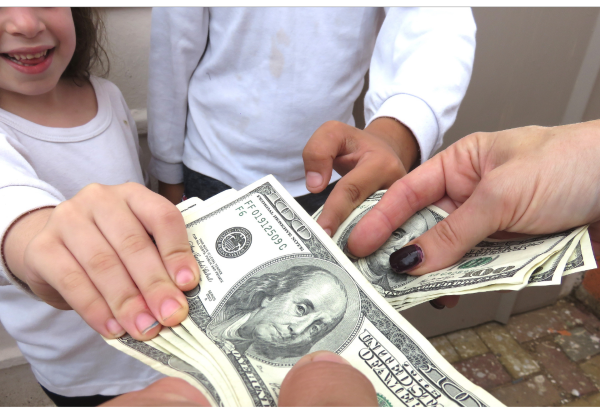
A child allowance provides regular monetary support and is an effective way to teach financial skills, helping kids understand budgeting, saving, and spending based on their age and expenses. It’s a teaching tool that helps children learn how to manage money, make smart choices, and understand that good things come to those who wait. Think of it as financial literacy training disguised as spending money.
When kids get an allowance, they start learning delayed gratification-one of the most important life skills they’ll ever develop. Instead of asking you to buy everything they want, they begin to understand that money runs out and choices matter. Many families discover that giving kids their own money actually reduces the number of times they hear “Can you buy me this?”
What’s something your family has been saving up for together?
This simple question can spark great conversations about money goals and planning.
The beauty of allowance is that it connects to real-world experiences. When kids plan a lemonade stand, they use the same skills they learn from managing their weekly allowance: budgeting for supplies, setting aside money for future needs, and deciding how to spend their profits wisely.
Key Takeaways
- Start allowance around ages 5-7 when kids understand that money buys things, using it as a training tool rather than payment for basic family responsibilities
- A common starting point is $1 per year of age per week (so $7 for a 7-year-old), but adjust based on your family’s budget and goals
- Use allowance to teach the three pillars of money management: spending wisely, saving for goals, and giving to others
- Consider separating allowance from regular chores while offering “jobs for hire” opportunities to teach work ethic
- Make it hands-on and fun-like planning their own lemonade stand budget-to build real-world financial skills
When Should You Start Giving Allowance for Kids?
Most parents wonder how much allowance to give, but the first question should be when to start. The sweet spot for beginning allowance is usually between ages 5-7, right around the time kids start school and begin to grasp that money is needed to buy things. In fact, most kids are ready for a weekly allowance by elementary school, as they begin to understand basic money concepts and show interest in making their own purchases.
You’ll know your child is ready when they start asking about prices, showing interest in buying their own small purchases, and understanding basic counting. If your 6-year-old can count to 20 and knows that toys cost money, they’re probably ready for their first taste of money management.
Let’s say Emma, a 6-year-old, really wants a special stuffed animal that costs $12. Instead of buying it for her, her parents help her understand that with her $6 weekly allowance, she can save up and buy it herself in just two weeks. This teaches patience, goal-setting, and the value of money in a way that lectures never could.
Of course, giving an allowance can look different for each child. If you have more than one kid, you might notice that one kid is more eager to save while another prefers to spend right away. These individual differences can lead to challenges or even conflicts, so it's important to consider each child's personality and needs when managing family money habits.
Starting financial education at an early age sets kids up for success later. Motivating children to develop good money habits is key-while allowance can encourage positive behaviors, relying solely on extrinsic rewards like money for chores can backfire. It's important to balance allowance with other ways of motivating children, such as fostering intrinsic motivation and responsibility.
Many families who begin with allowance find their children naturally gravitate toward entrepreneurial activities. Programs like Lemonade Day build perfectly on these early money lessons, helping kids take the next step from managing allowance to running their own small business.
How Much Allowance Should You Give?
The “$1 per age per week” rule gives most parents a solid starting point. A 7-year-old gets $7 weekly, a 10-year-old gets $10, and so on. But this isn’t a hard rule-it’s more like training wheels for your family’s money conversations. According to recent survey data, the average allowance given to children often aligns closely with this rule, but can vary depending on national trends and family circumstances.
Several factors might change this amount. Your family budget comes first, of course. The cost of living in your area matters too. A kid in rural Kansas and one in downtown San Francisco will have very different ideas about what money can buy. You’ll also want to consider what expenses your child will be covering with their allowance.

Here’s what many families actually do: younger children (ages 5-7) often get between $5-8 dollars per week for small treats and toys. Kids ages 8-10 might receive $8-12 dollars weekly to cover activities like movies with friends or saving for bigger purchases. Tweens and early teens typically get $10-15 dollars per week as they start managing some of their own expenses like school supplies or entertainment. The average weekly allowance for children in the U.S. currently falls within this range, reflecting recent trends in how parents approach allowances for kids.
The important thing isn’t the exact dollar amount-it’s consistency and making sure kids have enough to practice real decision-making. If your 10-year-old gets $10 weekly allowance, they could fund their lemonade stand supplies in just two weeks. That’s enough money to feel meaningful without breaking your budget. Allowance is typically paid to children as actual money, not just as a reward system, helping them learn to manage real dollars.
Some families adjust based on responsibilities too. A middle schooler who’s expected to buy their own school clothes might get more than one who doesn’t have those expenses. The key is being clear about what the allowance covers and sticking to it.
Allowance by Age: Real Numbers from Real Families
Let’s break down what kids typically spend money on and how much allowance makes sense for different kids ages:
Ages 5-7: $5-8 per week
- Small toys, stickers, treats
- Learning to count money and make simple choices
- Focus on immediate vs. delayed gratification
Ages 8-10: $8-12 per week
- Arcade games, small books, collectibles like baseball cards
- Starting to save for bigger items
Ages 11-13: $10-15 per week
- Movies with friends, apps, hobby supplies
- Beginning to cover some school supplies or activities
- Learning to budget for both wants and needs
Ages 14-17: $15-30 per week
- Gas money, dates, clothing choices
- High school students often manage bigger chunks of discretionary spending
- May include phone bill or other regular expenses
Remember, these are just guidelines. A great system is one that fits your family’s values and budget, not one that matches what everyone else is doing.
Weekly Allowance Structure
Here's the cool thing about allowances-they're not just about giving your kid spending money. They're actually a secret weapon for teaching real-life money skills! Think about it: when your child gets their allowance every week, they're learning how to budget, save up for things they want, and make choices about their money. Maybe they'll save up for those new sneakers, or maybe they'll spend it all on Pokemon cards. Either way, they're learning. These aren't fake classroom lessons-this is the real deal, just on a smaller scale.
Now, here's where families do things differently, and both ways can work great. Some parents connect allowance to chores like making beds or helping with dishes. The idea is simple: you contribute to the family, you earn your money. Other families just give the allowance no matter what, focusing on the money lessons instead of linking it to tasks around the house. What works for your family? The important thing is picking one approach and sticking with it.
As your kid gets older, you'll probably want to bump up that allowance to cover more stuff-maybe they need money for school activities or bigger projects now. This is also a perfect time to help them open their first savings account. How exciting is that? Encourage them to save part of their allowance each week. They'll learn about waiting for things they really want and planning ahead for bigger goals.
Whatever system you choose, remember this: allowance time is teaching time. Talk with your kids about their money decisions. Let them mess up sometimes-that's how they'll learn! Ask them questions like "What are you saving up for?" or "How did you decide to spend your money that way?" By starting with a simple weekly allowance and growing it as your child does, you're setting them up to be smart with money for life.
The Great Chores Debate: To Pay or Not to Pay?
Should kids get an allowance for doing chores? This question splits parents right down the middle, and honestly, both sides make good points. While some see a chore as a family contribution that fosters teamwork and self-worth, others link chores to allowance to teach responsibility and the value of earning.
Here’s one approach that many families love: separate allowance from regular chores entirely. Kids receive their weekly allowance as financial education, period. No strings attached. Meanwhile, certain household chores are simply “family contributions”-things everyone does because they live in the house together.
Family contributions might include making beds, clearing dishes after dinner, feeding pets, or keeping their rooms tidy. These tasks teach responsibility and teamwork without turning every household task into a transaction.
But here’s where it gets interesting: you can also offer “jobs for hire” alongside the regular allowance. These are extra tasks that go beyond basic family contributions. Certain chores, like cleaning up after the dog or washing windows, can be considered a job for which kids can earn extra money, helping them learn about work ethic and the value of earned income. Kids can earn extra money by washing cars, organizing the garage, doing yard work, or other tasks that you might otherwise hire someone else to do.
This system teaches kids that some work is just part of life, while other work generates income.
It’s the same principle they’ll use running a lemonade stand-they’ll do basic setup because it’s their business, but they might hire a friend to help for busy periods. In the same way, earning money at home through extra jobs mirrors real-world situations where effort and initiative are rewarded.
What jobs around our house could be “jobs for hire”? This question can lead to creative solutions and help kids see opportunities everywhere.
Other factors to consider: some families prefer connecting allowance directly to chores because it reinforces that money comes from work. There’s no right answer here-just what works best for your family life and values.
The most important thing is being consistent. Whether you tie allowance to chores or keep them separate, make sure your kids understand the system and can count on it week after week. For older kids, consider giving a lump sum to manage larger expenses like clothing, which teaches resource management and financial decision-making.
Teaching the Three Money Buckets
Once your child starts getting a weekly allowance, it’s time to introduce the three fundamental ways to use money: spend, save, and share. This simple framework helps kids learn that money isn’t just for immediate gratification-it’s a tool for making choices about the future too.
A good starting ratio might be 50% for spending, 40% for saving, and 10% for giving, though many families adjust these percentages based on their values. If Sophia gets $10 allowance, $5 goes to spending money, $4 to her savings account, and $1 to giving.
The Spending Bucket covers immediate wants and small purchases. This is where kids learn to make choices-do they want candy now or save up for a toy later? Younger children often spend most of their money here, and that’s perfectly normal. They’re learning through experience. Discussing what has been spent helps children reflect on their decisions and understand the consequences of their spending habits.
The Saving Bucket teaches delayed gratification and goal-setting. Maybe your child is saving for a new bike, video game, or supplies for their first business venture. When money sits in savings, kids start to understand that some goals require patience and planning.
The Giving Bucket introduces kids to generosity and thinking beyond themselves. They might choose to donate to a local animal shelter, help a classmate in need, or contribute to a family charity drive. This bucket teaches empathy and community responsibility.
Younger kids benefit from physical containers-three jars or envelopes work great. Older children might prefer tracking their money digitally or in a notebook. The method matters less than building the habit of thinking about money in these three ways.
Here’s how this applies to entrepreneurial learning.
When kids run their own lemonade stand through programs like Lemonade Day, they practice the same three-bucket system with their profits. They might spend some money on better supplies, save some for their next business venture, and give some back to their community.
Making Allowance Work: Practical Tips for Success
Getting kids an allowance is just the first step. Making it work requires some planning and consistency from parents. Here are the strategies that help families succeed with money management education.

Stick to a Schedule: Whether you choose weekly or monthly payments, consistency builds trust and helps kids learn to budget. Most parents find that paying on a weekly basis works better for younger children because a week feels manageable to them. Monthly payments can work for teens who are used to longer-term planning.
Use Real Money for Beginners: Younger kids learn better when they can touch and count actual cash. Physical money makes spending decisions feel more real than numbers on a screen. As kids get older and prove they can manage money responsibly, you might transition to a debit card or digital tracking.
Let Them Make Mistakes: This might be the hardest part for parents, but it’s also the most important. If your child spends all their allowance on candy Tuesday and has no money left for the book fair Friday, resist the urge to give them more cash. Natural consequences teach better lessons than lectures ever could.
Track It Simply: Younger kids might use a simple notebook to write down what they spend. Teens can use apps or spreadsheets. The goal is helping kids see where their money goes, not creating complicated accounting systems.
No Bailouts Policy: When money runs out, it’s gone until the next allowance day. This rule feels harsh but teaches budgeting in a way that really sticks. Kids who learn this lesson with small amounts of money avoid much bigger financial mistakes as adults.
The same principles apply when kids run their own businesses. When they plan a lemonade business, they quickly learn what happens when they spend all their startup money on decorations instead of buying enough lemonade mix to serve customers. These early experiences with consequences build financial responsibility for life.
What would your family’s “no bailout” policy look like? Talking through this in advance helps everyone understand the rules and stick to them when emotions run high.
Common Allowance Mistakes to Avoid
Even well-intentioned parents can undermine their allowance goals without realizing it. Here are the most common pitfalls and how to avoid them.
Inconsistent Payments: Life gets busy, and it’s easy to forget allowance day. But when payments are unpredictable, kids can’t learn to budget effectively. Set a reminder on your phone or mark it on the family calendar. Consistency teaches kids they can count on the system.
Too Much Too Soon: Some parents give large amounts thinking it will teach bigger lessons faster. Actually, the opposite happens. Kids learn better with smaller amounts they can understand and manage. A 7-year-old learns more from managing $7 weekly than $20.
Rescuing Poor Choices: When your child spends their whole allowance on something silly and then wants something else, the temptation to help can be overwhelming. But rescuing them from consequences prevents learning. They need to feel the natural result of their choices.
Using Allowance as Punishment: Taking away allowance when kids misbehave confuses the purpose. Allowance is a teaching tool for money management, not a behavior modification system. Find other consequences that address the specific behavior problem.
No Clear Guidelines: Kids need to understand what their allowance should cover. Are school supplies included? Entertainment? Special treats? Clear expectations prevent arguments and help kids budget effectively.
The key is remembering that small mistakes now prevent big ones later. Better for kids to learn about budgeting consequences with their $10 allowance than with their first paycheck or college loan.
Beyond Allowance for Kids: Building Future Entrepreneurs
Allowance is just the beginning of your child’s financial education journey. Once kids master the basics of managing their weekly allowance, they’re ready for bigger challenges that can set them up for lifelong financial success.
Many parents discover that children who learn money management through allowance naturally develop entrepreneurial thinking. They start seeing opportunities everywhere-from selling crafts to neighbors to offering pet-sitting services. This progression makes perfect sense because allowance teaches the foundational skills every business owner needs: budgeting, planning, and making smart financial choices.
Lemonade Day provides the perfect next step for families ready to move beyond allowance.
This program helps kids plan, start, and operate their own business, applying everything they’ve learned about money management in a real-world setting. When kids who’ve mastered their allowance start planning their lemonade stand budget, you can see all those money lessons clicking into place.
Consider the progression: first, kids learn to manage $8-10 per week through allowance. Then they might save up $20-30 to fund their lemonade stand supplies. Suddenly, they’re making business decisions about purchasing inventory, setting prices, and handling customer service. They’re experiencing the complete cycle from idea to profit.
What business would you want to start besides a lemonade stand? This question often reveals kids’ natural interests and talents while encouraging entrepreneurial thinking.
The success stories are everywhere. Kids who start with simple allowance systems often move on to bigger ventures during their teenage years. They might design websites, sell products online, or start service businesses in their neighborhoods. The financial responsibility and decision-making skills they learned from managing their weekly allowance become the foundation for much larger achievements.
Here are some practical next steps your family can take together:
- Visit the Lemonade Day website to explore their free resources
- Talk about different types of businesses your kids find interesting
- Start small entrepreneurial projects around the house
- Encourage kids to identify problems they could solve for neighbors or friends
- Celebrate the connection between allowance lessons and business skills
Remember, the goal isn’t to turn every child into a business owner. It’s to give them financial literacy and confidence with money that will serve them well whether they become employees, entrepreneurs, or anything in between.
Frequently Asked Questions
Should I stop allowance when my child misbehaves?
No, allowance should be separate from discipline. It’s a teaching tool for money management, not a reward system. When you connect allowance to behavior, kids miss the real lessons about budgeting and financial responsibility.
What if my child wants to spend all their allowance immediately?
Let them! Early mistakes with small amounts teach better lessons than any lecture. When kids blow through their whole allowance on candy Monday and have nothing left for the movie Friday, they learn budgeting through natural consequences. These experiences stick much better than parental warnings.
How do I handle different allowance amounts for siblings?
Base allowance on age and responsibility level, not equality. Explain that older kids get more because they can handle more financial responsibility and have different expenses-just like in the real world. A 15-year-old needs money for different things than an 8-year-old. This actually teaches kids about how earning potential grows with age and ability.
Should allowance cover school lunch money or clothes?
Start with “fun money” for younger children-treats, toys, and entertainment. As kids prove they can manage money responsibly, gradually add necessities like school supplies or some clothing choices. This progression teaches increasingly complex budgeting skills.
What if we can’t afford much allowance?
Even $2-3 per week teaches valuable money lessons. Focus on the habits and decision-making skills, not the dollar amount. The goal is teaching kids how to choose between different wants, save for goals, and understand that money is limited.

back to blog
Let’s pretend that your 8-year-old wants the latest video game that costs $60. Instead of hearing “maybe for your birthday,” imagine them saying “I need to save for three more weeks with my allowance.”
That’s the power of financial literacy education in action.
For example, if your child receives $20 a week, they can learn to budget and plan their spending to reach their goal, reinforcing important money management skills.
An allowance for kids isn’t just about handing over cash every week. Allowances are a valuable tool for teaching children and teenagers about money management, fostering responsible financial behaviors, and encouraging independence.
A child allowance provides regular monetary support and is an effective way to teach financial skills, helping kids understand budgeting, saving, and spending based on their age and expenses. It’s a teaching tool that helps children learn how to manage money, make smart choices, and understand that good things come to those who wait. Think of it as financial literacy training disguised as spending money.
When kids get an allowance, they start learning delayed gratification-one of the most important life skills they’ll ever develop. Instead of asking you to buy everything they want, they begin to understand that money runs out and choices matter. Many families discover that giving kids their own money actually reduces the number of times they hear “Can you buy me this?”
What’s something your family has been saving up for together?
This simple question can spark great conversations about money goals and planning.
The beauty of allowance is that it connects to real-world experiences. When kids plan a lemonade stand, they use the same skills they learn from managing their weekly allowance: budgeting for supplies, setting aside money for future needs, and deciding how to spend their profits wisely.
Key Takeaways
- Start allowance around ages 5-7 when kids understand that money buys things, using it as a training tool rather than payment for basic family responsibilities
- A common starting point is $1 per year of age per week (so $7 for a 7-year-old), but adjust based on your family’s budget and goals
- Use allowance to teach the three pillars of money management: spending wisely, saving for goals, and giving to others
- Consider separating allowance from regular chores while offering “jobs for hire” opportunities to teach work ethic
- Make it hands-on and fun-like planning their own lemonade stand budget-to build real-world financial skills
When Should You Start Giving Allowance for Kids?
Most parents wonder how much allowance to give, but the first question should be when to start. The sweet spot for beginning allowance is usually between ages 5-7, right around the time kids start school and begin to grasp that money is needed to buy things. In fact, most kids are ready for a weekly allowance by elementary school, as they begin to understand basic money concepts and show interest in making their own purchases.
You’ll know your child is ready when they start asking about prices, showing interest in buying their own small purchases, and understanding basic counting. If your 6-year-old can count to 20 and knows that toys cost money, they’re probably ready for their first taste of money management.
Let’s say Emma, a 6-year-old, really wants a special stuffed animal that costs $12. Instead of buying it for her, her parents help her understand that with her $6 weekly allowance, she can save up and buy it herself in just two weeks. This teaches patience, goal-setting, and the value of money in a way that lectures never could.
Of course, giving an allowance can look different for each child. If you have more than one kid, you might notice that one kid is more eager to save while another prefers to spend right away. These individual differences can lead to challenges or even conflicts, so it's important to consider each child's personality and needs when managing family money habits.
Starting financial education at an early age sets kids up for success later. Motivating children to develop good money habits is key-while allowance can encourage positive behaviors, relying solely on extrinsic rewards like money for chores can backfire. It's important to balance allowance with other ways of motivating children, such as fostering intrinsic motivation and responsibility.
Many families who begin with allowance find their children naturally gravitate toward entrepreneurial activities. Programs like Lemonade Day build perfectly on these early money lessons, helping kids take the next step from managing allowance to running their own small business.
How Much Allowance Should You Give?
The “$1 per age per week” rule gives most parents a solid starting point. A 7-year-old gets $7 weekly, a 10-year-old gets $10, and so on. But this isn’t a hard rule-it’s more like training wheels for your family’s money conversations. According to recent survey data, the average allowance given to children often aligns closely with this rule, but can vary depending on national trends and family circumstances.
Several factors might change this amount. Your family budget comes first, of course. The cost of living in your area matters too. A kid in rural Kansas and one in downtown San Francisco will have very different ideas about what money can buy. You’ll also want to consider what expenses your child will be covering with their allowance.
Here’s what many families actually do: younger children (ages 5-7) often get between $5-8 dollars per week for small treats and toys. Kids ages 8-10 might receive $8-12 dollars weekly to cover activities like movies with friends or saving for bigger purchases. Tweens and early teens typically get $10-15 dollars per week as they start managing some of their own expenses like school supplies or entertainment. The average weekly allowance for children in the U.S. currently falls within this range, reflecting recent trends in how parents approach allowances for kids.
The important thing isn’t the exact dollar amount-it’s consistency and making sure kids have enough to practice real decision-making. If your 10-year-old gets $10 weekly allowance, they could fund their lemonade stand supplies in just two weeks. That’s enough money to feel meaningful without breaking your budget. Allowance is typically paid to children as actual money, not just as a reward system, helping them learn to manage real dollars.
Some families adjust based on responsibilities too. A middle schooler who’s expected to buy their own school clothes might get more than one who doesn’t have those expenses. The key is being clear about what the allowance covers and sticking to it.
Allowance by Age: Real Numbers from Real Families
Let’s break down what kids typically spend money on and how much allowance makes sense for different kids ages:
Ages 5-7: $5-8 per week
- Small toys, stickers, treats
- Learning to count money and make simple choices
- Focus on immediate vs. delayed gratification
Ages 8-10: $8-12 per week
- Arcade games, small books, collectibles like baseball cards
- Starting to save for bigger items
Ages 11-13: $10-15 per week
- Movies with friends, apps, hobby supplies
- Beginning to cover some school supplies or activities
- Learning to budget for both wants and needs
Ages 14-17: $15-30 per week
- Gas money, dates, clothing choices
- High school students often manage bigger chunks of discretionary spending
- May include phone bill or other regular expenses
Remember, these are just guidelines. A great system is one that fits your family’s values and budget, not one that matches what everyone else is doing.
Weekly Allowance Structure
Here's the cool thing about allowances-they're not just about giving your kid spending money. They're actually a secret weapon for teaching real-life money skills! Think about it: when your child gets their allowance every week, they're learning how to budget, save up for things they want, and make choices about their money. Maybe they'll save up for those new sneakers, or maybe they'll spend it all on Pokemon cards. Either way, they're learning. These aren't fake classroom lessons-this is the real deal, just on a smaller scale.
Now, here's where families do things differently, and both ways can work great. Some parents connect allowance to chores like making beds or helping with dishes. The idea is simple: you contribute to the family, you earn your money. Other families just give the allowance no matter what, focusing on the money lessons instead of linking it to tasks around the house. What works for your family? The important thing is picking one approach and sticking with it.
As your kid gets older, you'll probably want to bump up that allowance to cover more stuff-maybe they need money for school activities or bigger projects now. This is also a perfect time to help them open their first savings account. How exciting is that? Encourage them to save part of their allowance each week. They'll learn about waiting for things they really want and planning ahead for bigger goals.
Whatever system you choose, remember this: allowance time is teaching time. Talk with your kids about their money decisions. Let them mess up sometimes-that's how they'll learn! Ask them questions like "What are you saving up for?" or "How did you decide to spend your money that way?" By starting with a simple weekly allowance and growing it as your child does, you're setting them up to be smart with money for life.
The Great Chores Debate: To Pay or Not to Pay?
Should kids get an allowance for doing chores? This question splits parents right down the middle, and honestly, both sides make good points. While some see a chore as a family contribution that fosters teamwork and self-worth, others link chores to allowance to teach responsibility and the value of earning.
Here’s one approach that many families love: separate allowance from regular chores entirely. Kids receive their weekly allowance as financial education, period. No strings attached. Meanwhile, certain household chores are simply “family contributions”-things everyone does because they live in the house together.
Family contributions might include making beds, clearing dishes after dinner, feeding pets, or keeping their rooms tidy. These tasks teach responsibility and teamwork without turning every household task into a transaction.
But here’s where it gets interesting: you can also offer “jobs for hire” alongside the regular allowance. These are extra tasks that go beyond basic family contributions. Certain chores, like cleaning up after the dog or washing windows, can be considered a job for which kids can earn extra money, helping them learn about work ethic and the value of earned income. Kids can earn extra money by washing cars, organizing the garage, doing yard work, or other tasks that you might otherwise hire someone else to do.
This system teaches kids that some work is just part of life, while other work generates income.
It’s the same principle they’ll use running a lemonade stand-they’ll do basic setup because it’s their business, but they might hire a friend to help for busy periods. In the same way, earning money at home through extra jobs mirrors real-world situations where effort and initiative are rewarded.
What jobs around our house could be “jobs for hire”? This question can lead to creative solutions and help kids see opportunities everywhere.
Other factors to consider: some families prefer connecting allowance directly to chores because it reinforces that money comes from work. There’s no right answer here-just what works best for your family life and values.
The most important thing is being consistent. Whether you tie allowance to chores or keep them separate, make sure your kids understand the system and can count on it week after week. For older kids, consider giving a lump sum to manage larger expenses like clothing, which teaches resource management and financial decision-making.
Teaching the Three Money Buckets
Once your child starts getting a weekly allowance, it’s time to introduce the three fundamental ways to use money: spend, save, and share. This simple framework helps kids learn that money isn’t just for immediate gratification-it’s a tool for making choices about the future too.
A good starting ratio might be 50% for spending, 40% for saving, and 10% for giving, though many families adjust these percentages based on their values. If Sophia gets $10 allowance, $5 goes to spending money, $4 to her savings account, and $1 to giving.
The Spending Bucket covers immediate wants and small purchases. This is where kids learn to make choices-do they want candy now or save up for a toy later? Younger children often spend most of their money here, and that’s perfectly normal. They’re learning through experience. Discussing what has been spent helps children reflect on their decisions and understand the consequences of their spending habits.
The Saving Bucket teaches delayed gratification and goal-setting. Maybe your child is saving for a new bike, video game, or supplies for their first business venture. When money sits in savings, kids start to understand that some goals require patience and planning.
The Giving Bucket introduces kids to generosity and thinking beyond themselves. They might choose to donate to a local animal shelter, help a classmate in need, or contribute to a family charity drive. This bucket teaches empathy and community responsibility.
Younger kids benefit from physical containers-three jars or envelopes work great. Older children might prefer tracking their money digitally or in a notebook. The method matters less than building the habit of thinking about money in these three ways.
Here’s how this applies to entrepreneurial learning.
When kids run their own lemonade stand through programs like Lemonade Day, they practice the same three-bucket system with their profits. They might spend some money on better supplies, save some for their next business venture, and give some back to their community.
Making Allowance Work: Practical Tips for Success
Getting kids an allowance is just the first step. Making it work requires some planning and consistency from parents. Here are the strategies that help families succeed with money management education.
Stick to a Schedule: Whether you choose weekly or monthly payments, consistency builds trust and helps kids learn to budget. Most parents find that paying on a weekly basis works better for younger children because a week feels manageable to them. Monthly payments can work for teens who are used to longer-term planning.
Use Real Money for Beginners: Younger kids learn better when they can touch and count actual cash. Physical money makes spending decisions feel more real than numbers on a screen. As kids get older and prove they can manage money responsibly, you might transition to a debit card or digital tracking.
Let Them Make Mistakes: This might be the hardest part for parents, but it’s also the most important. If your child spends all their allowance on candy Tuesday and has no money left for the book fair Friday, resist the urge to give them more cash. Natural consequences teach better lessons than lectures ever could.
Track It Simply: Younger kids might use a simple notebook to write down what they spend. Teens can use apps or spreadsheets. The goal is helping kids see where their money goes, not creating complicated accounting systems.
No Bailouts Policy: When money runs out, it’s gone until the next allowance day. This rule feels harsh but teaches budgeting in a way that really sticks. Kids who learn this lesson with small amounts of money avoid much bigger financial mistakes as adults.
The same principles apply when kids run their own businesses. When they plan a lemonade business, they quickly learn what happens when they spend all their startup money on decorations instead of buying enough lemonade mix to serve customers. These early experiences with consequences build financial responsibility for life.
What would your family’s “no bailout” policy look like? Talking through this in advance helps everyone understand the rules and stick to them when emotions run high.
Common Allowance Mistakes to Avoid
Even well-intentioned parents can undermine their allowance goals without realizing it. Here are the most common pitfalls and how to avoid them.
Inconsistent Payments: Life gets busy, and it’s easy to forget allowance day. But when payments are unpredictable, kids can’t learn to budget effectively. Set a reminder on your phone or mark it on the family calendar. Consistency teaches kids they can count on the system.
Too Much Too Soon: Some parents give large amounts thinking it will teach bigger lessons faster. Actually, the opposite happens. Kids learn better with smaller amounts they can understand and manage. A 7-year-old learns more from managing $7 weekly than $20.
Rescuing Poor Choices: When your child spends their whole allowance on something silly and then wants something else, the temptation to help can be overwhelming. But rescuing them from consequences prevents learning. They need to feel the natural result of their choices.
Using Allowance as Punishment: Taking away allowance when kids misbehave confuses the purpose. Allowance is a teaching tool for money management, not a behavior modification system. Find other consequences that address the specific behavior problem.
No Clear Guidelines: Kids need to understand what their allowance should cover. Are school supplies included? Entertainment? Special treats? Clear expectations prevent arguments and help kids budget effectively.
The key is remembering that small mistakes now prevent big ones later. Better for kids to learn about budgeting consequences with their $10 allowance than with their first paycheck or college loan.
Beyond Allowance for Kids: Building Future Entrepreneurs
Allowance is just the beginning of your child’s financial education journey. Once kids master the basics of managing their weekly allowance, they’re ready for bigger challenges that can set them up for lifelong financial success.
Many parents discover that children who learn money management through allowance naturally develop entrepreneurial thinking. They start seeing opportunities everywhere-from selling crafts to neighbors to offering pet-sitting services. This progression makes perfect sense because allowance teaches the foundational skills every business owner needs: budgeting, planning, and making smart financial choices.
Lemonade Day provides the perfect next step for families ready to move beyond allowance.
This program helps kids plan, start, and operate their own business, applying everything they’ve learned about money management in a real-world setting. When kids who’ve mastered their allowance start planning their lemonade stand budget, you can see all those money lessons clicking into place.
Consider the progression: first, kids learn to manage $8-10 per week through allowance. Then they might save up $20-30 to fund their lemonade stand supplies. Suddenly, they’re making business decisions about purchasing inventory, setting prices, and handling customer service. They’re experiencing the complete cycle from idea to profit.
What business would you want to start besides a lemonade stand? This question often reveals kids’ natural interests and talents while encouraging entrepreneurial thinking.
The success stories are everywhere. Kids who start with simple allowance systems often move on to bigger ventures during their teenage years. They might design websites, sell products online, or start service businesses in their neighborhoods. The financial responsibility and decision-making skills they learned from managing their weekly allowance become the foundation for much larger achievements.
Here are some practical next steps your family can take together:
- Visit the Lemonade Day website to explore their free resources
- Talk about different types of businesses your kids find interesting
- Start small entrepreneurial projects around the house
- Encourage kids to identify problems they could solve for neighbors or friends
- Celebrate the connection between allowance lessons and business skills
Remember, the goal isn’t to turn every child into a business owner. It’s to give them financial literacy and confidence with money that will serve them well whether they become employees, entrepreneurs, or anything in between.
Frequently Asked Questions
Should I stop allowance when my child misbehaves?
No, allowance should be separate from discipline. It’s a teaching tool for money management, not a reward system. When you connect allowance to behavior, kids miss the real lessons about budgeting and financial responsibility.
What if my child wants to spend all their allowance immediately?
Let them! Early mistakes with small amounts teach better lessons than any lecture. When kids blow through their whole allowance on candy Monday and have nothing left for the movie Friday, they learn budgeting through natural consequences. These experiences stick much better than parental warnings.
How do I handle different allowance amounts for siblings?
Base allowance on age and responsibility level, not equality. Explain that older kids get more because they can handle more financial responsibility and have different expenses-just like in the real world. A 15-year-old needs money for different things than an 8-year-old. This actually teaches kids about how earning potential grows with age and ability.
Should allowance cover school lunch money or clothes?
Start with “fun money” for younger children-treats, toys, and entertainment. As kids prove they can manage money responsibly, gradually add necessities like school supplies or some clothing choices. This progression teaches increasingly complex budgeting skills.
What if we can’t afford much allowance?
Even $2-3 per week teaches valuable money lessons. Focus on the habits and decision-making skills, not the dollar amount. The goal is teaching kids how to choose between different wants, save for goals, and understand that money is limited.

STAY CONNECTED TO LEMONADE DAY NATIONAL


@LemonadeDayNational